
1. Mixue Bingcheng and Bingxue Shiguang Lead Global Expansion in March Industry Report
According to the March 2026 Monthly Report on China’s Freshly Made Tea and Coffee Industry, overseas store counts for Chinese brands have officially surpassed 14,000. Mixue Bingcheng continues to dominate the global landscape with 4,477 international locations, while Bingxue Shiguang has secured the second position with 1,503 stores, highlighting a robust upward trend in the “Value-for-Money” segment’s global penetration.
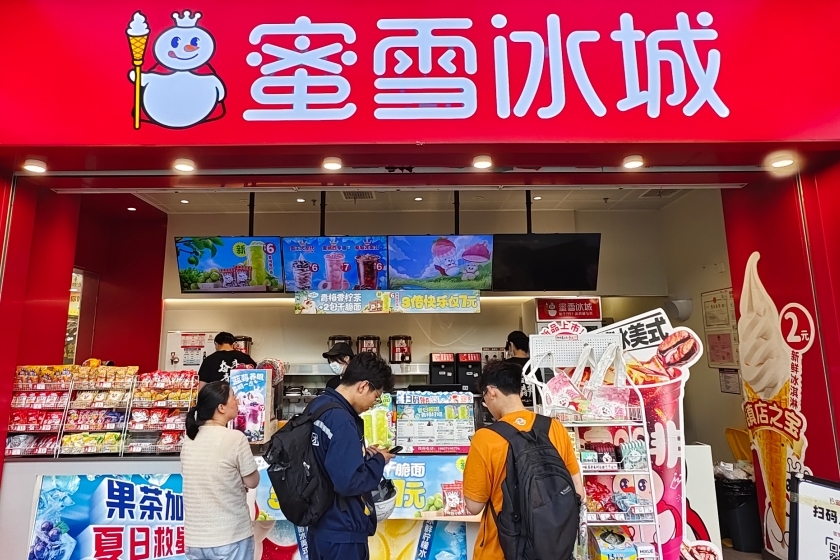
The report underscores a strategic pivot toward Southeast Asian and Middle Eastern markets, where lower operational costs and high youth demographics provide ideal conditions for scale. This massive infrastructure growth reflects the maturing supply chain capabilities of Chinese tea brands, allowing them to maintain competitive pricing while aggressively capturing international market share from local incumbents.
2. Starbucks China Launches Premium Collaboration with “The Devil Wears Prada 2”
On April 23, Starbucks China debuted a high-profile collaboration with the film *The Devil Wears Prada 2*, introducing the new “Yuenyeung” (Coffee-Tea) series. The campaign features limited-edition merchandise, including a quilted black tumbler with a metallic chain and “Fashion Industry” themed ID card holders, blending cinematic luxury with premium beverage culture.
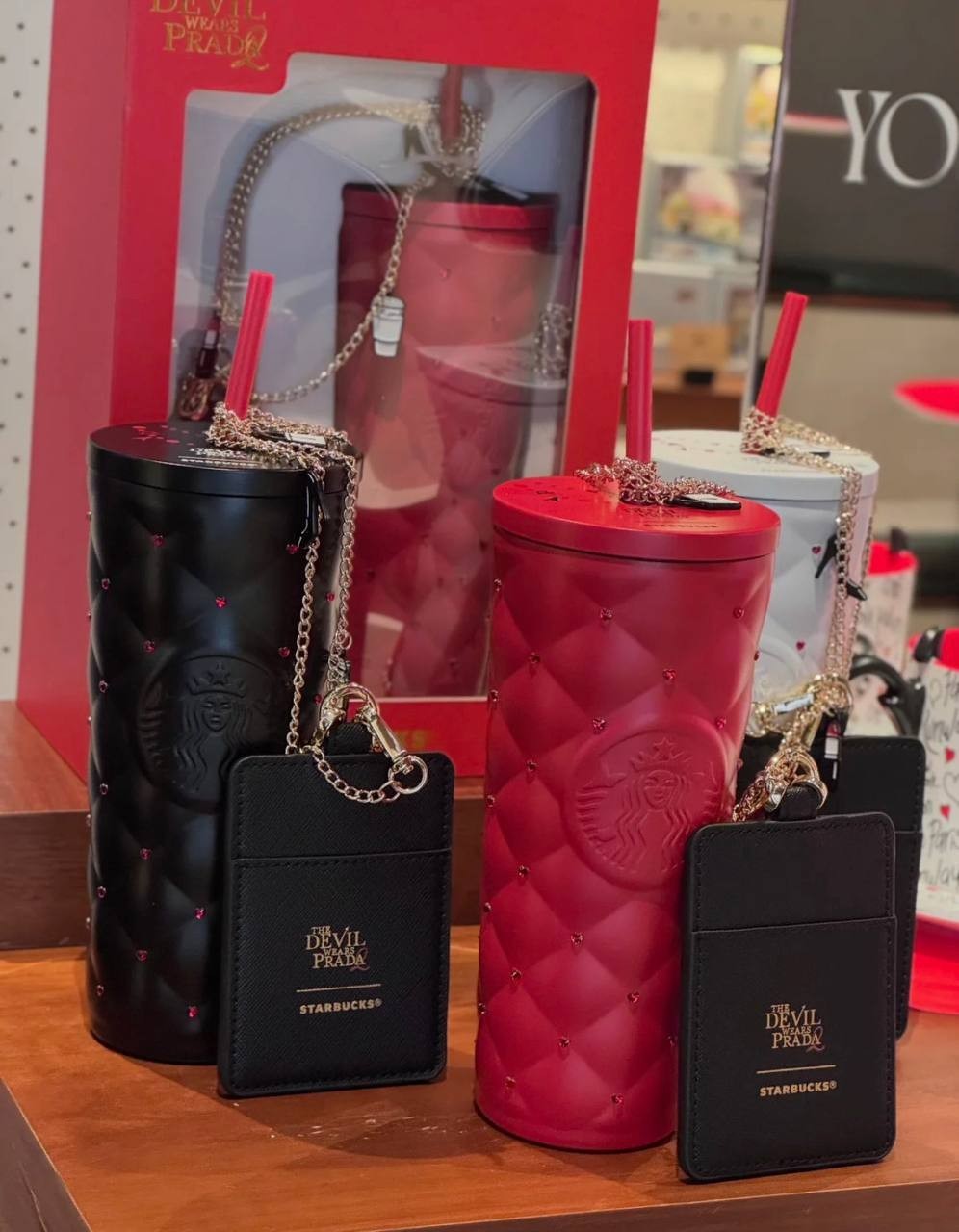
This partnership represents a sophisticated attempt by Starbucks to re-engage the urban professional demographic through high-fashion aesthetics. By leveraging the cultural resonance of the film franchise, Starbucks is reinforcing its positioning as a premium “third space” that bridges the gap between daily caffeine needs and luxury lifestyle aspirations, effectively driving higher transaction values through high-margin accessory sales.
3. ChaPanda Accelerates South Korean Footprint with New Anam-dong Store Opening
ChaPanda officially expanded its South Korean presence on April 22 with the opening of its latest outlet in the Gao Da An Yan district. To mark the launch, the brand introduced localized promotional bundles, including a panda-themed tote bag and keychain for purchases exceeding 15,000 KRW, successfully drawing significant foot traffic through a mix of mascot-driven marketing and signature tea offerings.
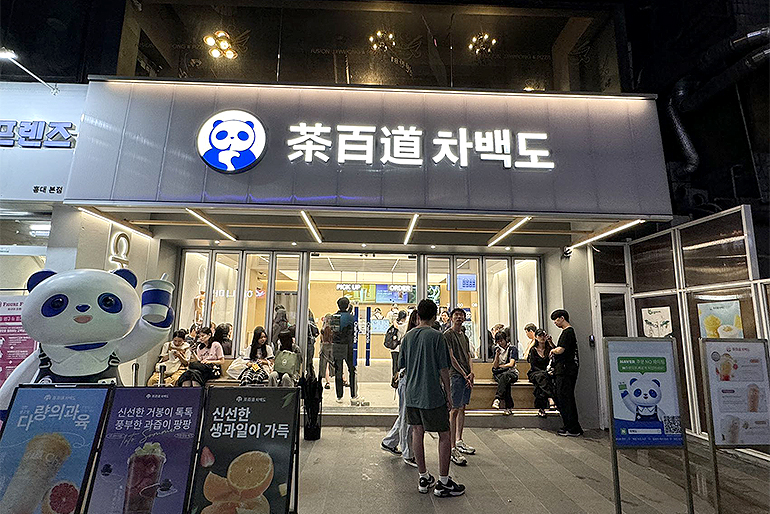
ChaPanda’s expansion into the South Korean market is a calculated move to test its “Fruit Tea” concept in a highly competitive and discerning beverage environment. The use of IP-based merchandise serves as an effective customer acquisition tool, helping the brand build emotional resonance with younger Korean consumers who prioritize both visual aesthetic and product quality in their lifestyle choices.
4. Luckin Coffee Pre-Sells New Yogurt Smoothie Series Ahead of Summer Peak
Luckin Coffee has announced a pre-sale event for its upcoming Yogurt Smoothie series, starting April 25. The new lineup, which includes “Avocado Kale” and “Walden Blue Mango” Yogurt Smoothies, is set for a nationwide official launch on April 27, signaling the brand’s early entry into the summer seasonal beverage competition with a focus on healthy, functional ingredients.
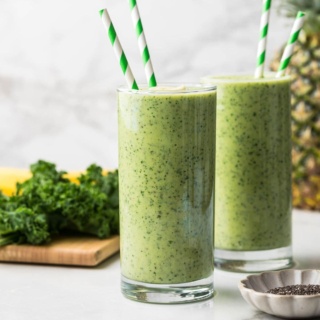
By prioritizing “Superfood” ingredients like kale and avocado, Luckin is directly addressing the growing consumer demand for low-sugar and nutrient-dense options. This pre-sale strategy allows the brand to gauge demand and optimize supply chain logistics before the high-volume summer season, while the inclusion of the “Walden Blue” mango variant adds a visual “viral” element to its social media marketing strategy.
5. Molly Tea Expands Zhejiang Presence with Five Simultaneous Store Openings
Molly Tea (茉莉奶白) has significantly bolstered its regional presence with the simultaneous opening of five new stores across Zhejiang province, including key locations in Taizhou, Ningbo, and Wenzhou. Launching on April 24, these stores emphasize the brand’s “Oriental Aesthetics” theme, featuring minimalist store designs and limited-edition floral-themed fridge magnets for local customers.
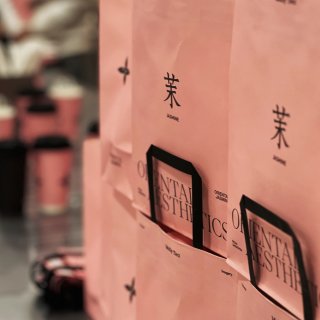
The rapid expansion in Zhejiang highlights the brand’s strategy of clustering stores in high-income provincial hubs to build regional dominance. By focusing on a niche “Jasmine” tea base and consistent aesthetic storytelling, Molly Tea is successfully differentiating itself in the crowded “Milk Tea” market, appealing to consumers seeking a more refined and culturally rooted beverage experience.
6. Nestlé Reports Strong 9.3% Organic Growth in Global Coffee Business for Q1 2026
Nestlé Group’s Q1 2026 financial report, released on April 23, reveals a robust 9.3% organic growth in its coffee division, with sales reaching approximately 48 billion RMB. The performance was driven by the strong momentum of Nescafé and Starbucks-branded products, with the Chinese market identified as a key contributor to the overall volume growth in the out-of-home segment.
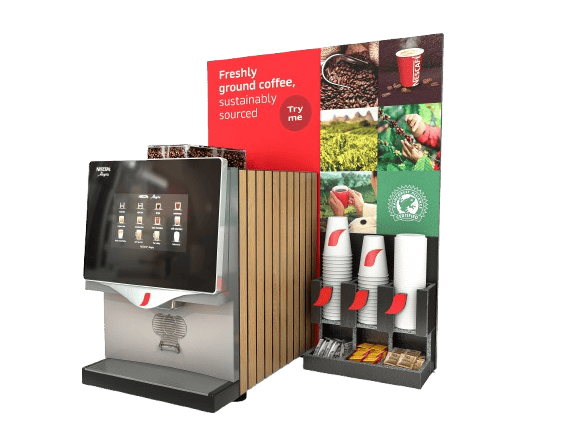
The consistent growth in Nestlé’s coffee portfolio underscores the resilience of the global coffee category despite fluctuating raw material costs. For the HORECA sector, Nestlé’s success in the Chinese out-of-home market reflects a broader shift toward high-quality, convenient coffee solutions, providing a positive outlook for suppliers and operators integrated into its extensive distribution ecosystem.
7. Happy Sweet Potato Reports 9.03% Revenue Increase in 2025 Annual Results
Happy Sweet Potato (快乐番薯) has published its 2025 annual report, showing a revenue of 384 million RMB, a year-on-year increase of 9.03%. More notably, the brand’s net profit surged by 41.2% to 35.8 million RMB. As of March 2026, the brand operates 1,892 stores nationwide, maintaining its position as a leading regional player with a focus on potato-based snacks and specialty tea.
The brand’s significant profit growth, despite moderate revenue increases, indicates a successful optimization of operational costs and a shift toward higher-margin snack products. This performance provides a valuable benchmark for mid-sized regional chains, proving that sustainable profitability can be achieved through disciplined store management and a clear, differentiated product identity in the competitive snack-and-tea market.
– /wp:paragraph –>