
1. Nestle Agrees to Sell Blue Bottle Coffee to Centurium Capital in Strategic Portfolio Adjustment
Nestle Group has officially confirmed an agreement to sell its majority stake in Blue Bottle Coffee to Centurium Capital, a prominent private equity firm and the lead investor in Luckin Coffee. This transaction, expected to close in the first half of 2026, reflects Nestle’s shift toward optimizing its high-growth coffee portfolio while providing Blue Bottle with new strategic resources for its next phase of global expansion.
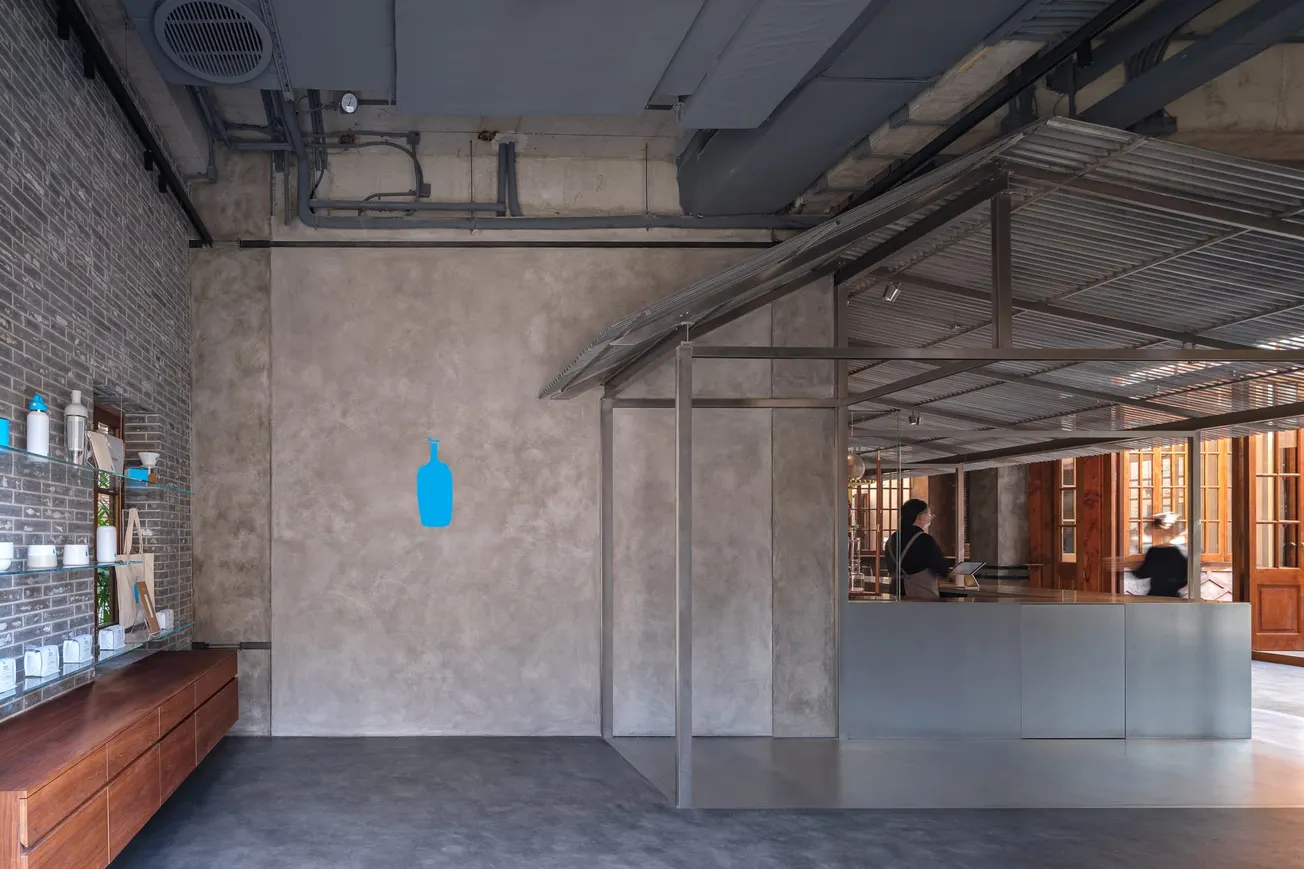
The acquisition by Centurium Capital signals a potentially closer synergy between Blue Bottle’s premium artisanal positioning and the operational scale expertise associated with Centurium’s broader beverage portfolio. For the specialty coffee market, this move highlights the continued consolidation of high-end brands under strategic investment groups capable of driving aggressive urban expansion across Asia and North America.
2. Luckin Coffee Commences Operations at New 55,000-Ton Intelligent Roasting Center in Qingdao
Luckin Coffee has officially inaugurated its new Innovation and Production Center in Chengyang, Qingdao, following a total investment of approximately 3 billion RMB. This state-of-the-art facility features an annual roasting capacity exceeding 55,000 tons, integrating advanced green coffee bean processing, intelligent roasting, and a highly automated logistics network.
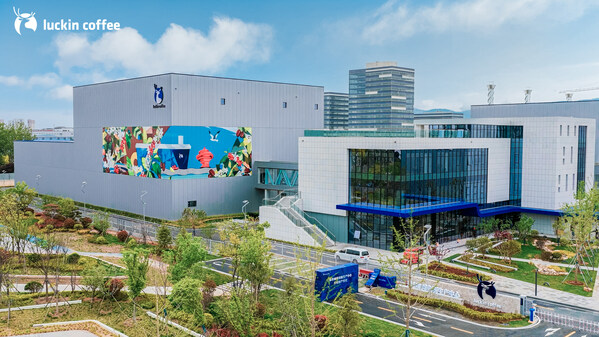
The commencement of the Qingdao center cements Luckin’s position as a leader in China’s coffee supply chain infrastructure. By internalizing high-volume production capabilities, the brand is significantly enhancing its quality control and cost efficiency, providing a robust foundation for its ongoing expansion toward its 20,000-store goal and increasing the competitiveness of its fresh-roast menu items.
3. Chayan Yuese Marks High-Velocity Shenzhen Debut and Expands into Braised Snacks Market
Chayan Yuese officially entered the Shenzhen market on April 22, launching its first store to unprecedented local demand with wait times reported up to five hours. Simultaneously, the brand confirmed its strategic entry into the “Braised Snacks” (卤味) sector, unveiling a new retail sub-brand designed to complement its core beverage offerings with high-margin, shelf-stable food products.
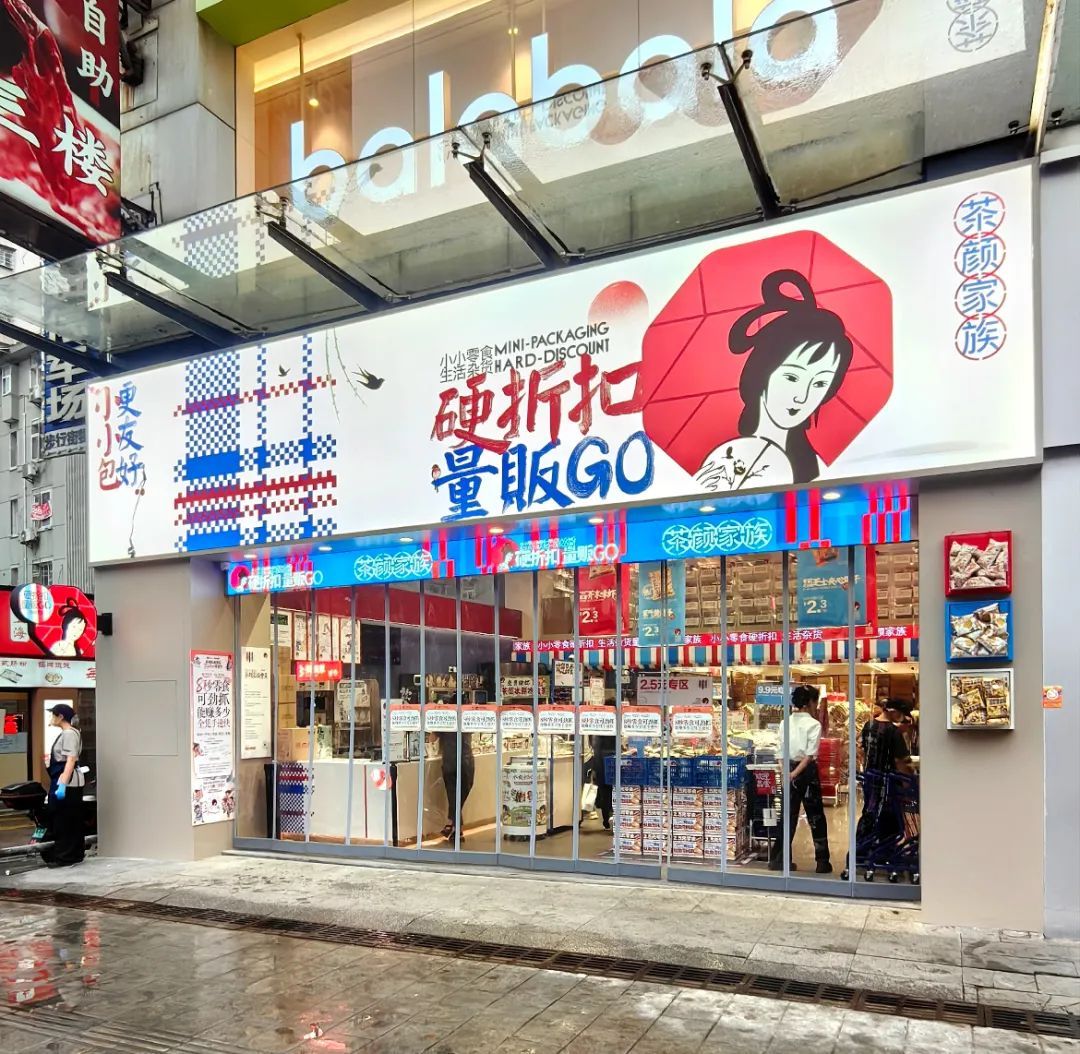
This dual move demonstrates Chayan Yuese’s ambition to evolve beyond a regional tea icon into a multi-category lifestyle platform. The intense consumer interest in Shenzhen underscores the brand’s enduring cultural appeal, while the diversification into snacks reflects a proactive approach to maximizing average order value (AOV) and building a more resilient, cross-scenario revenue model.
4. White Rabbit Debuts First Permanent Milk Tea Store on Shanghai’s Nanjing Road
White Rabbit, the legendary Chinese confectionery brand, has launched its first permanent flagship milk tea shop on Shanghai’s Nanjing Road. Opening its doors on April 20, the store features four signature products that integrate the brand’s iconic creamy candy flavor with modern tea bases, targeting both nostalgic local consumers and domestic tourists.
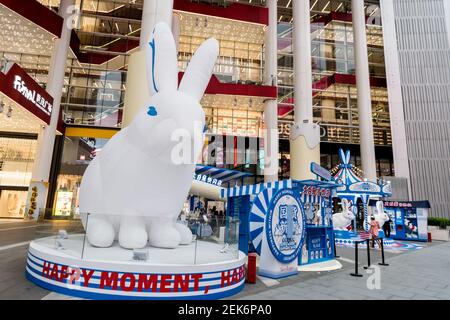
By transforming its legacy IP into a tangible retail experience, White Rabbit is capitalizing on the “Guochao” (National Trend) movement. This flagship opening serves as a key case study for established heritage brands looking to stay relevant by entering the high-frequency beverage sector through immersive storytelling and product innovation.
5. Starbucks and Lavazza Expand International Operations with New Regional Hubs in North America
Starbucks has announced a $100 million investment to establish a new Southeast regional corporate office in Tennessee, USA, a move expected to create over 2,000 jobs. Simultaneously, Lavazza Coffee inaugurated its expanded “Coffee Design” training facility in Los Angeles on April 21, designed to serve as a center for coffee innovation and culture for its North American partners.
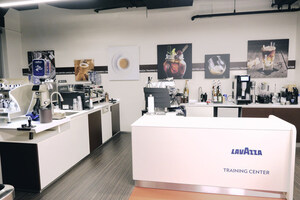
These investments highlight the continued importance of physical infrastructure in supporting global brand consistency and employee training. For the beverage industry, the expansion of these regional hubs demonstrates a long-term commitment to operational excellence and localized support systems in key high-growth markets.
