
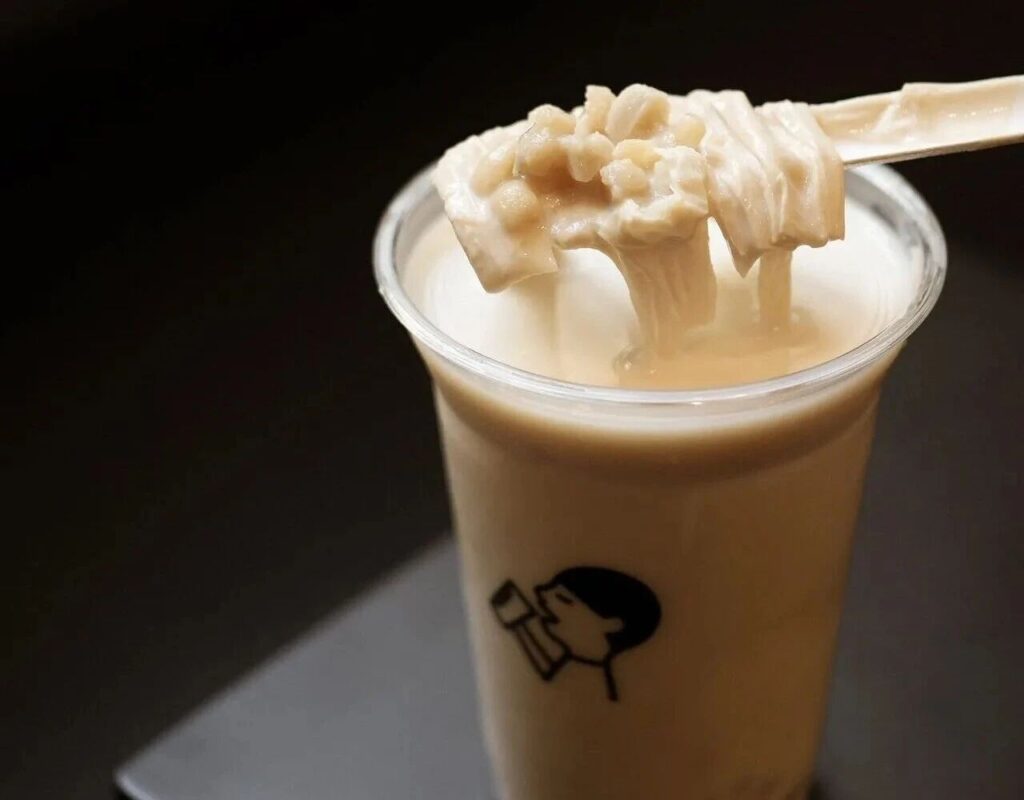
For a long time, soy milk in China was firmly associated with cheap breakfasts. It was functional, filling, and affordable, but rarely considered desirable or premium. That perception has begun to change. In early 2026, soy-based drinks are quietly reappearing across China’s tea and coffee chains, not as substitutes for dairy, but as carefully designed products built around texture, familiarity, and indulgence. Recent launches by brands such as HEYTEA, Luckin Coffee, and several regional tea chains suggest this is not an isolated experiment, but a broader category shift.
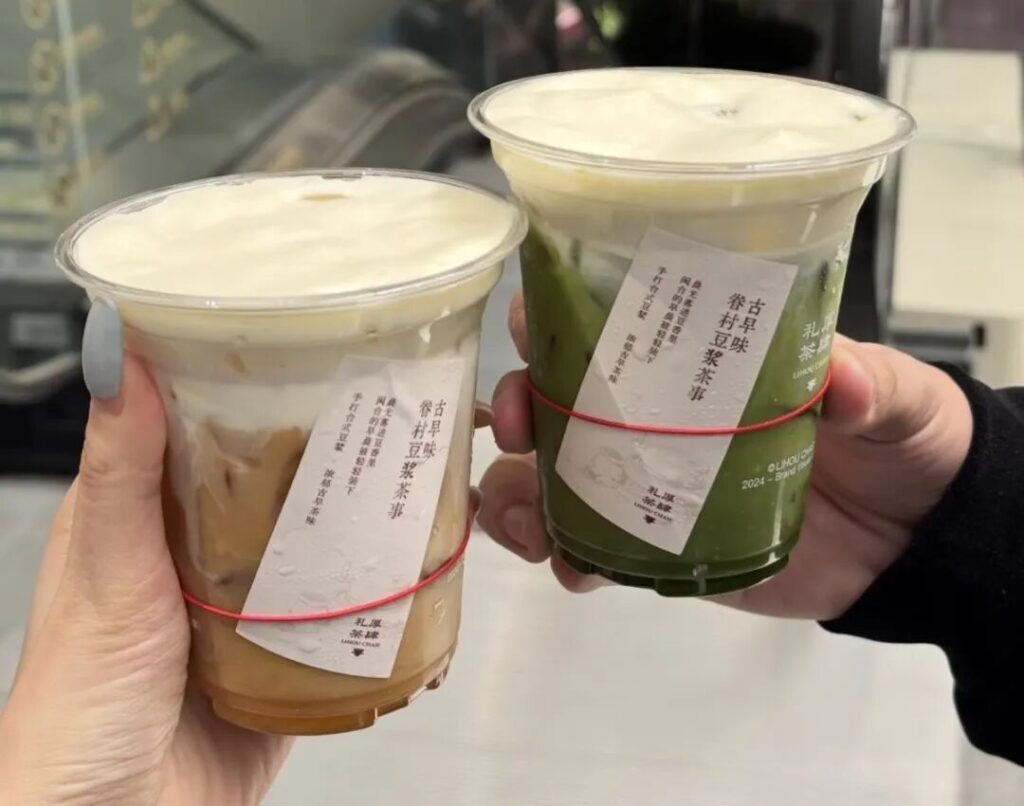
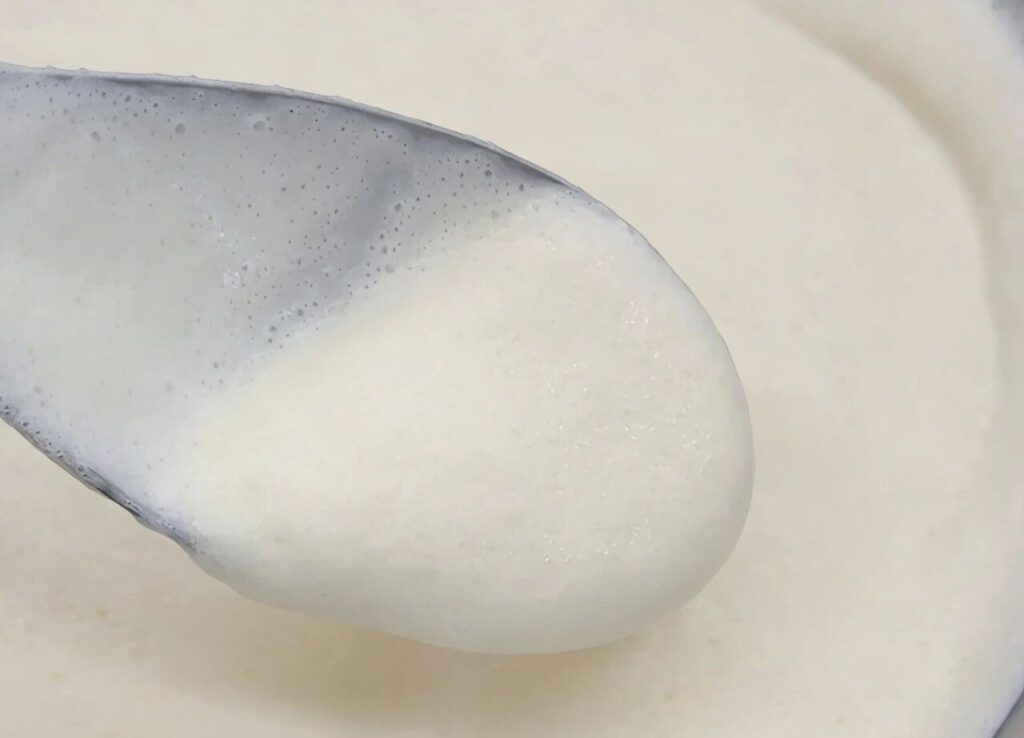
What distinguishes this wave from earlier soy milk drinks is not the ingredient itself, but the way it is being used. Instead of thin, watery bases meant to quench thirst, today’s soy beverages pursue density and mouthfeel. Higher soy concentrations, whipped soy milk foams, and layered textures create drinks that feel closer to dessert than breakfast. For example, Taiwanese-style tea brand Liho has introduced hand-whipped soy milk teas with foam-like textures, while other chains have applied similar techniques to tea, coffee, and hybrid drinks. This approach aligns with a broader shift in China’s beverage market, where consumers increasingly associate value with richness and structure rather than sweetness alone.
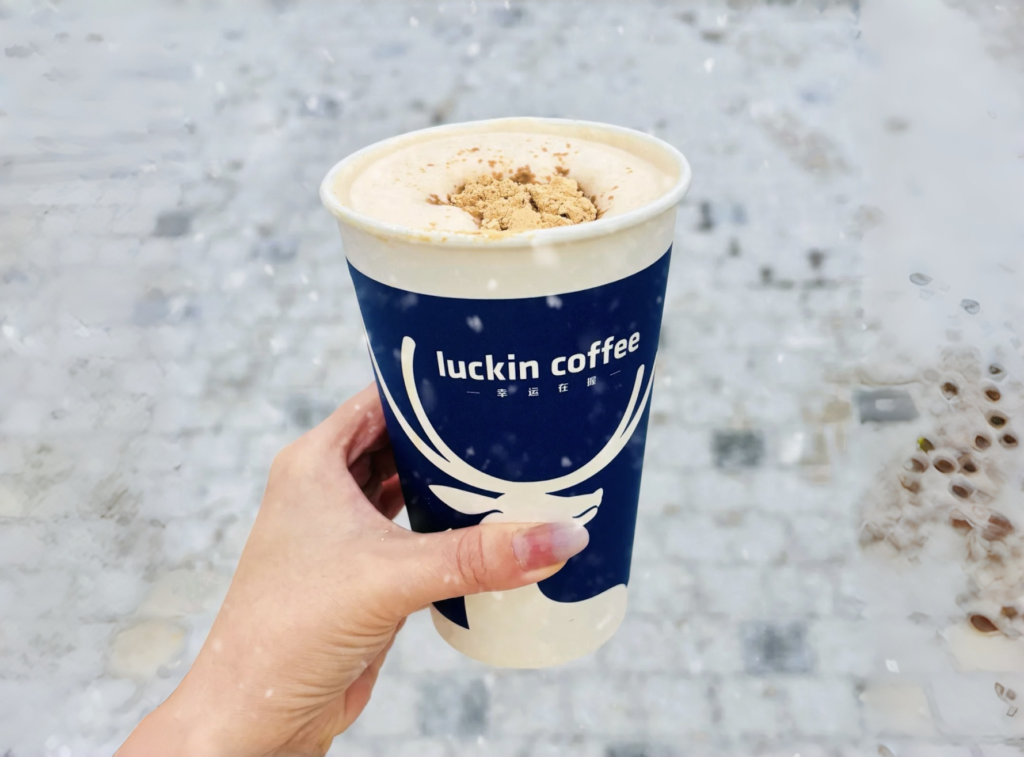
Another notable change is that soy is no longer treated as a single, uniform base. It now appears in multiple forms within the same cup, from concentrated soy milk to soft tofu-like elements and even solid components such as fresh yuba or roasted soybean powder. HEYTEA’s recent use of fresh yuba as a drink inclusion, as well as soy-based toppings seen in products from No Yeye No Tea and Luckin Coffee, reflects a growing willingness to turn soy from something purely drinkable into something partially edible. These combinations slow consumption and enhance perceived value without relying on stronger flavors or added sugar.
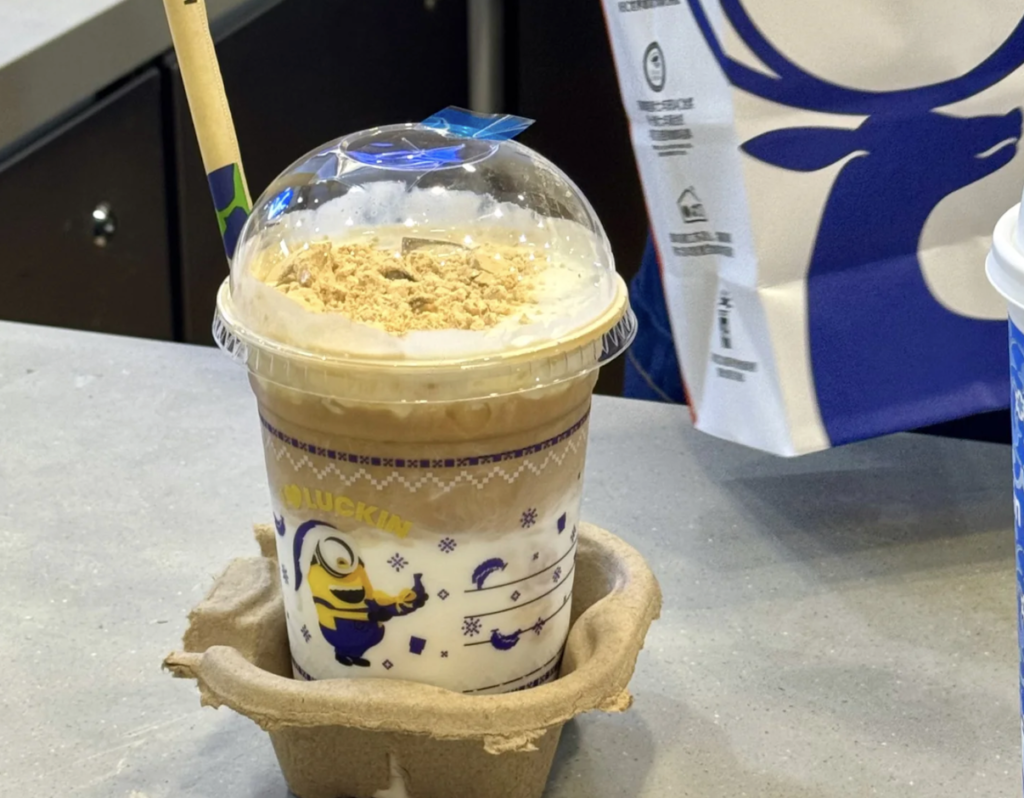
Cultural familiarity also plays an important role. In southern China, soy milk mixed with tea has been a common everyday drink for decades. For many consumers, the flavor profile itself is not new, which significantly lowers resistance. Brands often frame these products as traditional, handcrafted, or heritage-inspired, allowing upgraded versions to enter the mainstream with minimal explanation. What once felt ordinary is now presented as refined, supported by nostalgic references rather than novelty alone.
Taken together, the renewed interest in soy reflects a deeper shift in how ingredients are evaluated within the beverage industry. Innovation is increasingly driven by processing methods, mouthfeel, and structure rather than by new ingredients. The success of soy-based drinks across multiple formats — from tea to coffee to dessert-style beverages — suggests that traditional ingredients, when re-engineered, can compete with global trends such as oat milk or cheese foam on equal footing.
Soy did not return to the spotlight because it suddenly became fashionable. It returned because the market learned how to use it differently. In beverage innovation, ingredients rarely disappear entirely; they wait for a new logic. Soy’s resurgence is less a trend reversal than a sign of a more mature understanding of how familiarity, texture, and value intersect.