
In China’s vibrant coffee scene, a surprising topic keeps going viral: consumers complaining that their coffee from major chains tastes “weak” or “watered down.” The debate intensified recently when a brand offered a free size upgrade, leading many to comment that the larger cup just meant more water, not more flavor — coining the phrase “加水不加味” (adding water, not taste).
But is this really a case of brands cutting corners, or is there more to the story? For those watching China’s coffee market evolve, this controversy actually reveals some fascinating dynamics about how coffee is being adapted for a mass audience.
① Not Just Water — It’s About Recipe Scaling
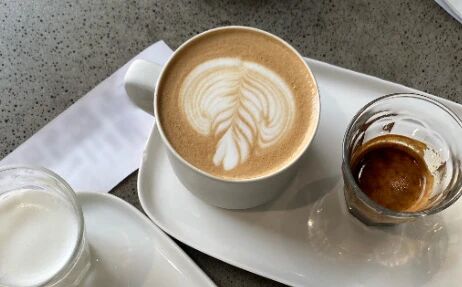
When a customer upgrades their cup size by 30%, the amount of coffee grounds does increase — but not proportionally. The extra volume is largely filled with water or milk, which can dilute the perceived strength. This isn’t necessarily “cheaping out” — it’s often a standard operational recipe decision. Those who prefer intensity are usually encouraged to add an extra espresso shot for a fee.
Still, searches for “coffee tastes weaker” plus any major chain name yield consistent complaints across years and product types, from fresh-ground to instant. It’s clear this isn’t about one brand or one campaign — it’s a widespread perception.
② A Collective Shift in Taste Preferences
Why does coffee seem to be getting milder? Part of it traces back to China’s coffee introduction. Many of the country’s first-generation coffee drinkers started with instant coffee like Nescafé, which is typically dark-roasted, bitter, and strong-flavored. To this day, a significant portion of consumers associate “real coffee taste” with depth and bitterness — not acidity or subtlety.
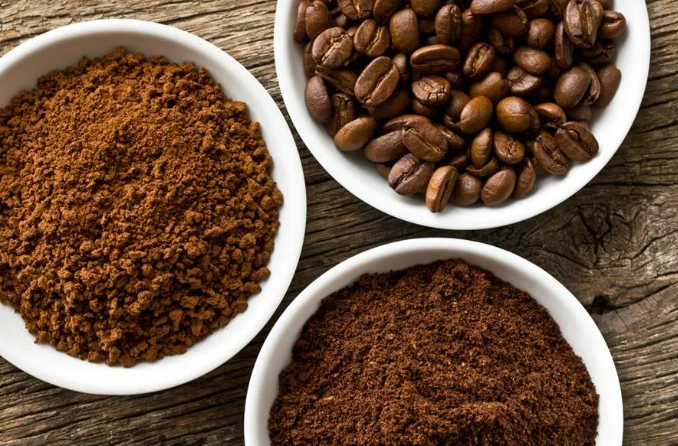
To appeal to the broadest audience, many big chains use darker roasts and blend profiles that minimize acidity, which newer drinkers often find unpleasant. So when a brand adjusts its roast or blend to appeal to more people, traditionalists may call it “weaker,” even if it’s intentionally smoother and more approachable.
③ Extraction Innovation: Short vs. Full Brews
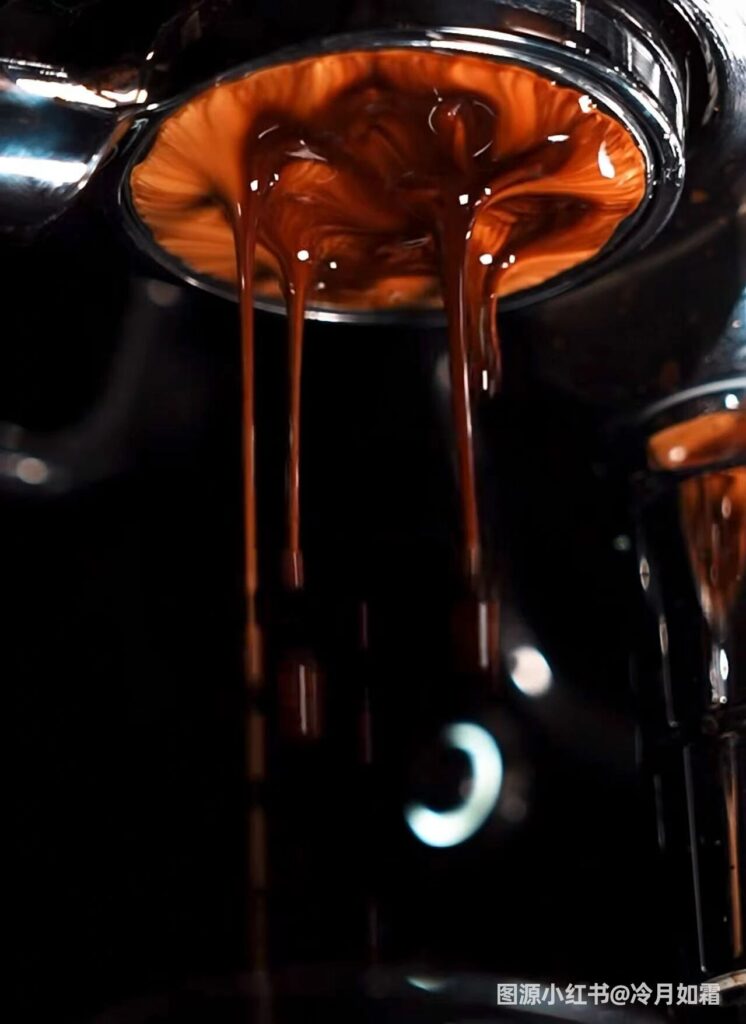
Another factor is the quiet shift in extraction methods. While traditional espresso uses 17–21g of coffee with a longer pull for intensity, some chains now use a “short extraction” method — around 16g, with a faster brew time — to highlight brighter, cleaner notes and save on costs. By contrast, a “full extraction” takes longer, draws more caffeine and solids, and tastes stronger. Moving between these styles can make the shorter brew taste notably lighter.
There are even innovations like using unroasted green coffee extract in some “light coffee” lines, which offers caffeine with a much milder, grassier profile — another example of how “coffee” is being redefined for new preferences.
What This Tells Us About China’s Coffee Market
This “weak coffee” discussion is more than a complaint — it’s a sign of China’s unique coffee culture maturing at high speed. With giants like Luckin, Cotti, and Nowwa competing fiercely on price (think $1.35 coffees) and convenience, coffee has moved from a niche luxury to a daily habit for millions.
In that race, taste profiles are inevitably adapted for mass appeal, operational efficiency, and cost control. Whether you see that as “dilution” or “democratization” depends on your perspective — but it clearly reflects a market writing its own rules, driven by digital adoption, fierce competition, and a new generation of drinkers who may never have tasted coffee before.
For international observers, China’s coffee scene isn’t just following global trends — it’s creating its own blend of scale, speed, and localization, one cup at a time.