
A recent viral trend claiming American bubble tea is “half sugar” has sparked online frenzy, but what’s the real story behind the sweetness?
#ShockedByAmericanBubbleTeaSugarContent Trends Online
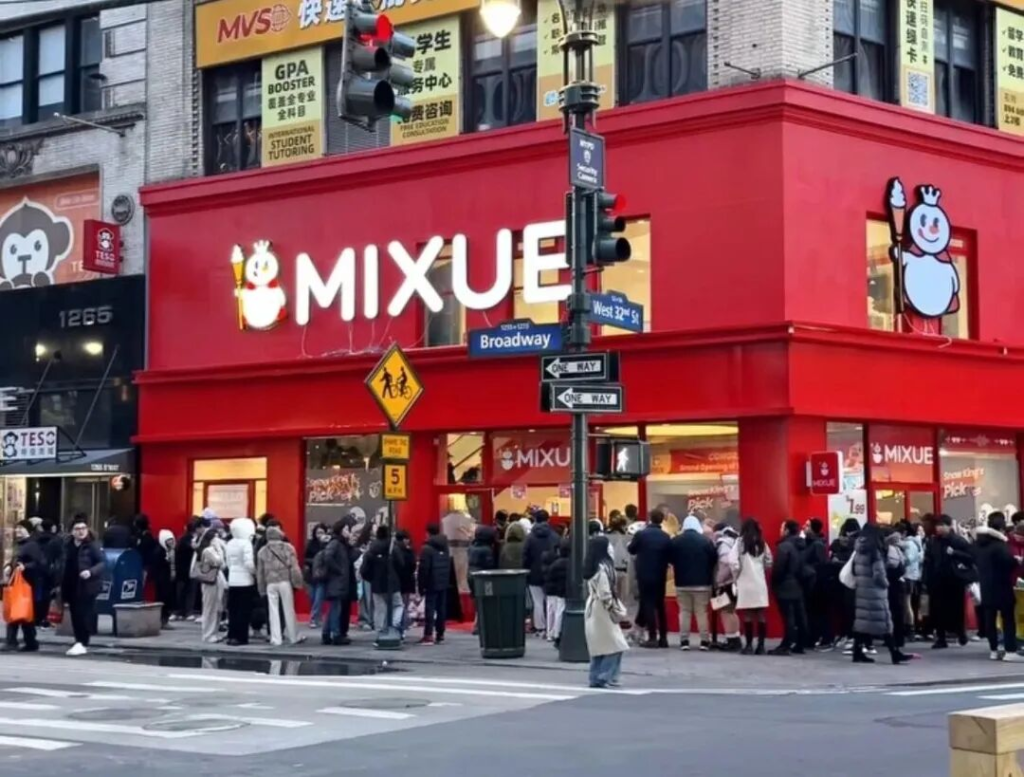
The discussion ignited when Mixue‘s U.S. menu, featuring a 200% sugar option, went viral. A popular video under the hashtag #ShockedByAmericanBubbleTeaSugarContent depicted a routine drink preparation loaded with caramel syrup, granulated sugar, cream, cinnamon sugar, and chocolate cold foam, leading to comments like “just looking at it makes my teeth ache” and “Chinese bubble tea is practically low-sugar in comparison.”
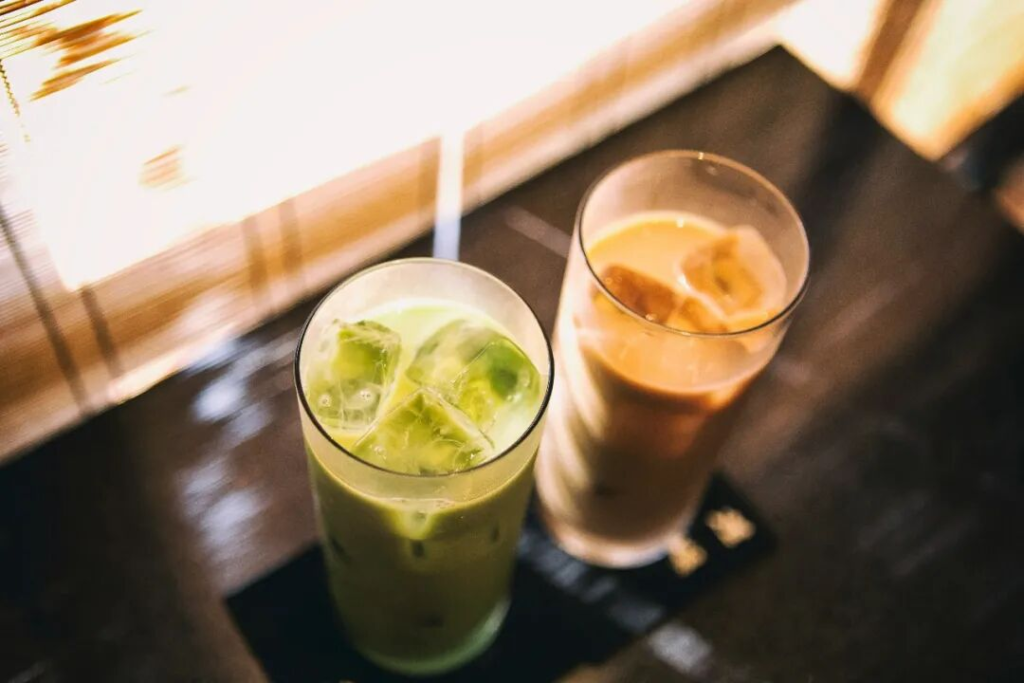
This sparked a wave of content creators amplifying the narrative with videos of desserts drowned in syrup and coffee with a sugar base, cementing an exaggerated idea of an American “sweet tooth.” But how accurate is this portrayal in an age of growing health consciousness?
We spoke to several Chinese tea drink brands operating in the U.S. to get the full picture.
1,”Sugar Levels Mirror Domestic Standards”
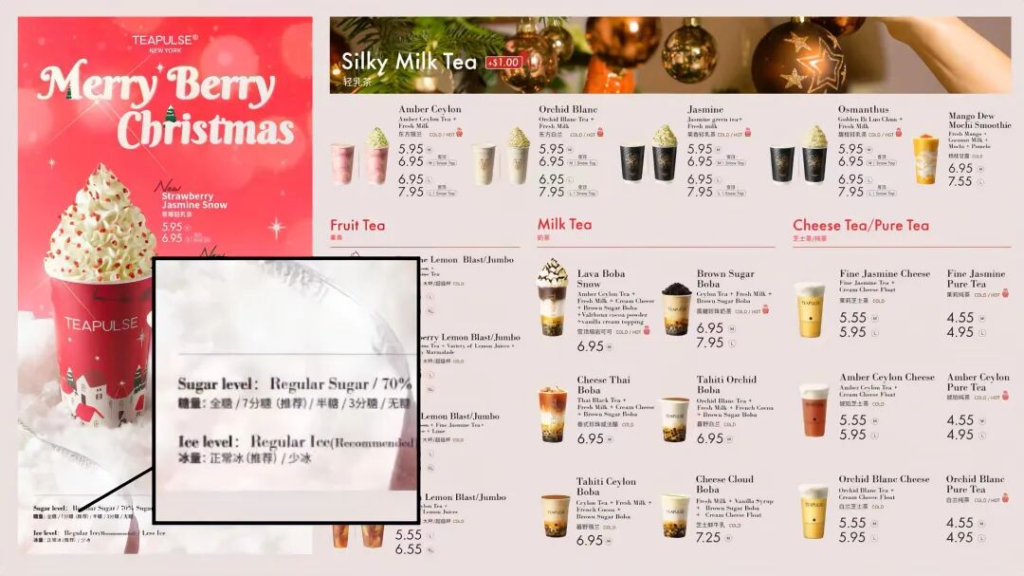
Brands like CHA HUA NONG, Molly Tea, Teadong, and Summer Juice report their U.S. sugar options (e.g., 100%, 70%, 50%, 30%, 0%) are identical to their offerings in China. The base amount of added sugar per option remains the same.
2,Customer Base & Preferences
For many brands, the primary clientele in the U.S. are still ethnic Chinese and international students. Their taste preferences closely align with consumers in China. Data from Jidong indicates roughly 80% of customers opt for the recommended 70% sugar level, with full sugar being a less frequent choice. Brands note that younger demographics in cities like New York show health awareness comparable to their peers in Shanghai.
3,The 200% Sugar Phenomenon
Industry perspectives suggest that offering extreme options like 200% sugar is more about providing choice and generating talkability. The “200% Sugar Challenge” exists as a niche trend on platforms like TikTok, where consumers film their reactions. For a brand, offering this option can tap into this social media trend while catering to a very specific minority.

4,Nuanced Adjustments
Interviews reveal a more nuanced picture: while the overall American tolerance for sweetness might be higher, it’s not to the extreme degree depicted online. Some traditional milk tea brands (Taiwanese/Hong Kong-style) or those using non-dairy creamer may increase sugar content by 30-50% compared to their domestic baseline. A few modern tea brands add an “Extra Sweet” option, increasing sugar by about 20%, but significantly raising the base sugar level is not a common strategy.
“Good Tea & Good Milk Don’t Need Excessive Sugar”: The Health Trend Crosses the Pacific
The year 2025 saw an aggressive expansion of Chinese tea brands into North America. Unlike earlier strategies in Southeast Asia, many brands are positioning themselves with a focus on quality ingredients in the U.S. market.
“Initially, we considered if we needed higher sugar options for the local palate,” shared a product lead from CHA HUA NONG, “but a year of operations showed that the demand isn’t as high as presumed.”
The consensus is that brands which have already undergone a “health upgrade” in China—using better tea and milk—find less need to rely on heavy sweetness abroad. The decision on sugar levels is strategic and localized: brands targeting health-conscious areas like Manhattan keep sugar in check, while those in other markets might use richer profiles to convey value.
Conclusion
As Chinese tea brands go global, they act as a lens reflecting diverse cultural interpretations of “sweetness.” The most successful brands will likely be those that navigate the balance between indulgence and well-being, innovating for local tastes while staying true to their core product philosophy.