
1. International Expansion of Chinese Tea Brands
Data for February 2026 reveals that Chinese freshly-made tea brands now operate over 9,600 overseas stores. Mixue(蜜雪冰城) leads the overseas charge with more than 4,460 locations, followed by Ice Snow Time(冰雪时光) with over 1,500 stores, and WEDRINK(WEDRINK) ranking third with over 1,000 stores.

This data points to the increasing globalization of Chinese tea chains, with Mixue(蜜雪冰城) maintaining a significant lead in international footprint. The scale of these operations confirms that overseas markets are now a critical growth frontier for leading domestic brands.
2. ChaPanda’s Strong Financial Results
ChaPanda(茶百道) reported its 2025 financial results, achieving revenue of CNY 5.395 billion, a 9.70% year-on-year increase. Net profit surged by 71.21% to CNY 821 million, while Gross Merchandise Value (GMV) reached CNY 16.18 billion, an 11% rise.
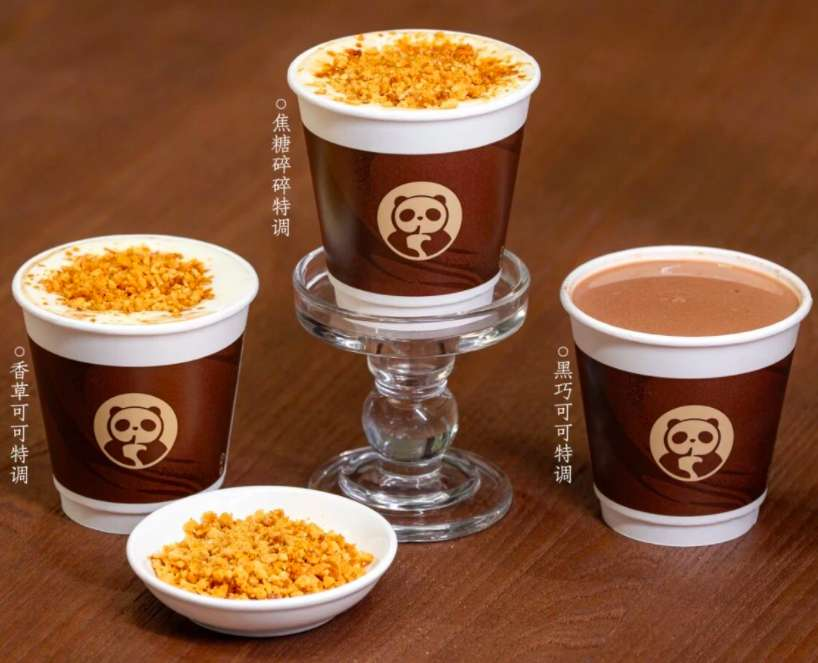
The company’s strong profitability, coupled with a 10% increase in average daily GMV per store, indicates effective operational management and brand strength. Furthermore, with select stores now selling over 100 cups of coffee daily, ChaPanda(茶百道) is strategically expanding its coffee presence, targeting 2,000 stores by the end of 2026.
3. Global Expansion of Cha Li Yi Shi
Cha Li Yi Shi(茶理宜世) has recently opened five new locations across Guangzhou, Dongguan, Beihai, and Auckland. According to its official channels, the brand now operates over 500 stores globally, with a presence in Spain, Australia (Melbourne), Canada, Malaysia, the UK, and New Zealand.
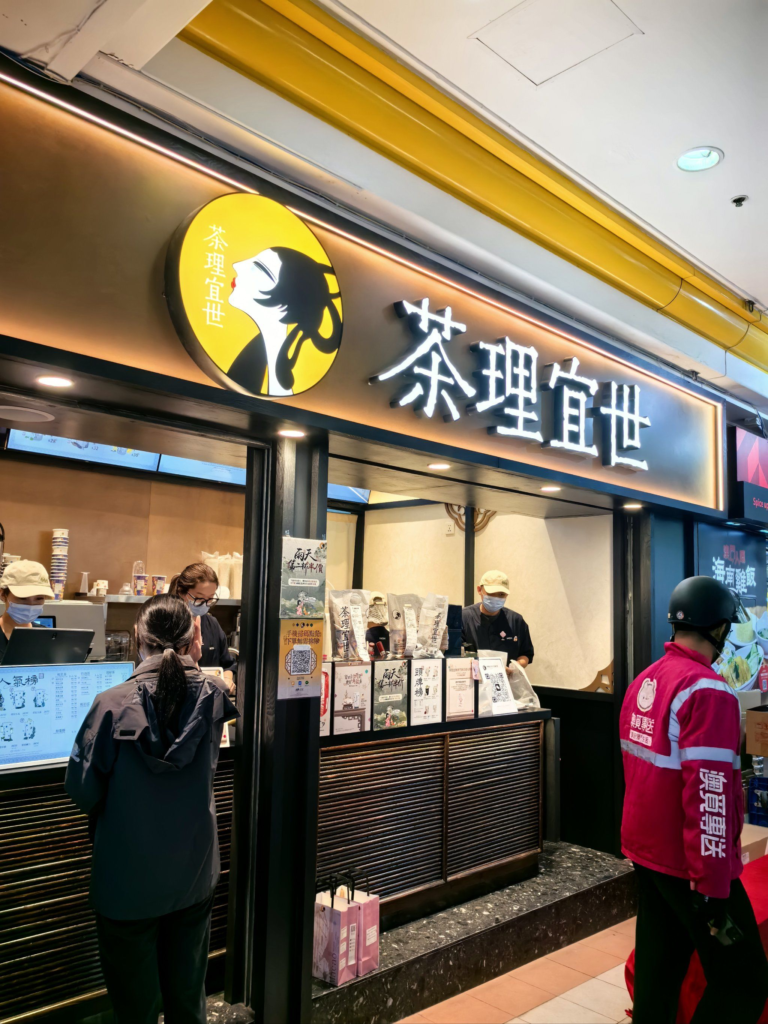
The brand’s expansion into diverse markets like Spain and New Zealand highlights a strategy of establishing a broad international presence. The company also reported selling over 55 million of its signature beverages in the past year, demonstrating strong consumer demand.
4. New Product Launches
TianLaLa(甜啦啦) introduced its Chianmu Matcha series today, featuring four new products: Matcha Cheese, Matcha Mango, Matcha Strawberry, and Matcha Ice Cream. All beverages are priced from CNY 9. Simultaneously, Leytea(乐乐茶) launched its Longjing Tea series, which includes the Orange Pomelo Longjing Iced Tea and Matcha Longjing Glutinous Rice.
These launches reflect ongoing product innovation, particularly around premium tea bases like matcha and longjing. The competitive pricing from TianLaLa(甜啦啦) and the focus on seasonal, high-value ingredients from Leytea(乐乐茶) illustrate the diverse strategies brands employ to capture consumer interest.
5. Silver Flow Coffee’s Expansion
Silver Flow Coffee(银流咖啡) announced the opening of 10 new stores, expanding its footprint to major cities including Shanghai, Changsha, Zhengzhou, Xi’an, Beijing, and Shenzhen. Founded in Shanghai in 2022, the brand now reports over 100 stores across more than 20 cities nationwide.

The rapid expansion of Silver Flow Coffee(银流咖啡) from a single city to a national chain in just four years signals a growing appetite for specialized coffee concepts. Its penetration into key tier-one cities and emerging markets demonstrates the widening consumer base for coffee beyond traditional hubs.
6. New Store Openings by Ashui Big Cup Tea
Ashui Big Cup Tea(阿水大杯茶) officially announced the opening of over 50 new stores, expanding its presence across Hebei, Jiangsu, Tianjin, Henan, and Shandong. Since opening its first store in Jinan, Shandong in 2010, the brand now operates over 1,400 stores nationwide.
The company’s sustained expansion, particularly within its stronghold in Shandong and into neighboring provinces, underscores the viability of regional brands scaling to become major players. This growth is driven by a continued focus on establishing a robust physical retail network.
7. Wahaha Production Adjustment
According to a report from Jiemian News, Wahaha(娃哈哈) issued a verbal notice last night to suspend operations on 70% of its factory production lines, affecting multiple plants under both Wahaha(娃哈哈) and Hongsheng. Production is expected to resume around April 2nd.
Sources indicate this temporary suspension is due to production scheduling. While an internal operational matter, such a significant production halt for a major beverage manufacturer could have short-term implications for supply chain consistency in the broader beverage market.
