
A series of announcements and product launches across the tea and coffee sector today highlight several concurrent strategic themes, from ingredient innovation to format experimentation and geographic expansion. These moves collectively illustrate how major players are navigating a competitive and mature market landscape.
TianLaLa
The Move: TianLaLa launched a new nationwide “Fresh Orange Series,” featuring two drinks centered on fresh orange and red grapefruit juice. Concurrently, the brand executed a “Thousand Stores Celebration” promotional campaign specifically in China’s three northeastern provinces.
Market Signal: The brand’s targeted regional campaign delivered measurable results, with participating stores in the Northeast region seeing a week-over-week sales increase of up to 30%.

Peets Coffee
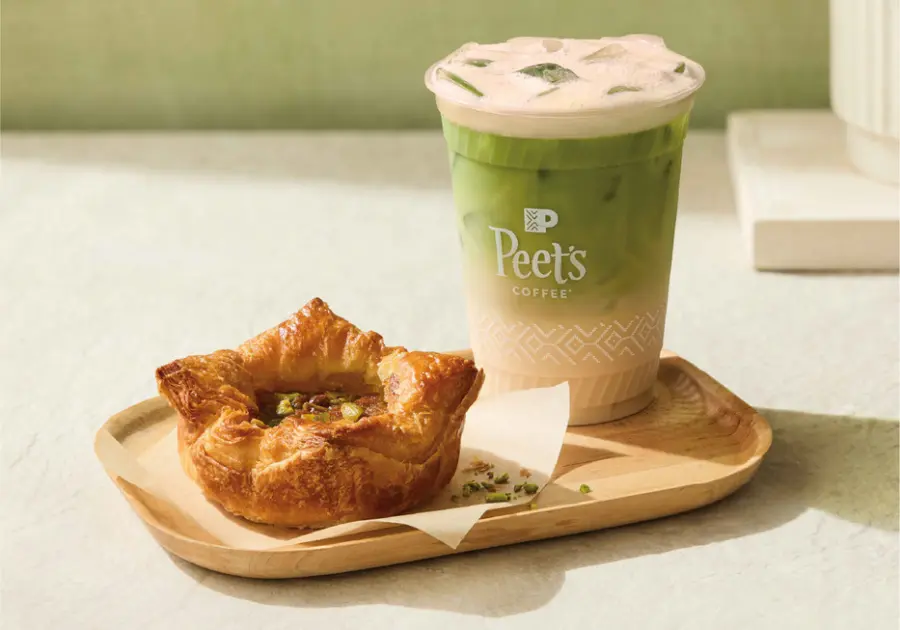
The Move: Peets Coffee reintroduced two classic menu items—Peru Cajamarca SOE and Cheese Molecular Sweet Apple Latte—while simultaneously launching three new products: a Cheese Molecular Caramel Biscuit Latte, a Strawberry Milk Brick Latte, and a Changbai Mountain Linden Honey Hot Lemon Tea.
Market Signal: This strategy balances nostalgia-driven customer retention with the introduction of novel, complex flavor profiles to stimulate new interest.
Heytea
The Move: A social media leak revealed storefront designs for Heytea’s upcoming Shanghai location, branded as the “National First” “HEYTEALAB 2.0.” The sketches depict dedicated zones for beverage preparation, gelato (“Xilado”) production, and cake and bakery item creation.
Market Signal: This indicates Heytea is developing a next-generation flagship store format that integrates beverage service with gelato and bakery operations under one experiential roof.

Starbucks
The Move: Starbucks issued a statement outlining its growth targets for fiscal year 2028. The company aims for a global net increase of over 2,000 company-operated and licensed stores, with approximately 400 new company-operated stores in the U.S. It also targets consolidated net revenue growth of 5% or more and global comparable store sales growth of at least 3%.
Market Signal: The company has publicly committed to a steady, moderate pace of global expansion and mid-single-digit financial growth over the next three years.

ChaPanda
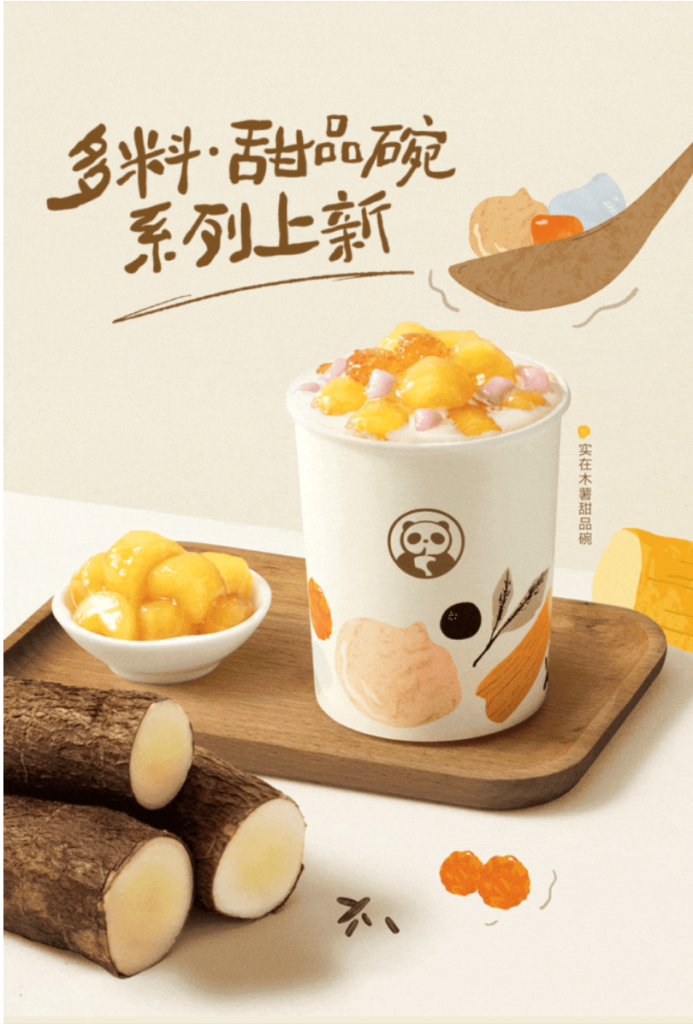
The Move: ChaPanda launched a new “Real Tapioca Dessert Bowl,” which sold nearly 800,000 units in its first three days. The product uses a specific tapioca variety (South China No. 9 Yellow Heart Tapioca) and incorporates an ice-bath step in its preparation, served with toppings like milk mochi and peach gum.
Market Signal: The product’s immediate success demonstrates significant consumer appetite for premiumized, snack-able dessert items within tea shop menus, particularly those emphasizing specific ingredient provenance and preparation technique.
Goodme
The Move: Goodme launched its first specialty coffee drink, the “Bitter Orange Latte.” The beverage combines fresh milk with HPP citrus juice and orange peel extract, topped with a cheese foam cap, cocoa powder, and dried orange. Following launch, it experienced widespread stock shortages across the country.
Market Signal: The severe and rapid sell-out, coupled with social media demand for restocking, indicates strong market reception for cross-category products that merge tea shop aesthetics and flavors with coffee bases.

Brand Expansion News
The Move: Two expansion updates occurred: Xinshiqi (新时沏) opened its 12th store in Vietnam, bringing its global total to over 1,600 stores since its 2013 founding. Separately, Ama Handmade (阿嬷手作) is set to open a new store in Ningbo tomorrow, expanding from its Guangxi origins where it was founded in 2018.
Market Signal: Established Chinese beverage chains continue to pursue growth through both international franchising (in markets like Southeast Asia) and domestic geographic expansion into new major cities.
Qishi Dairy (骑士乳业)
The Move: Qishi Dairy released its 2025 annual performance forecast, projecting a net profit attributable to shareholders of 41 to 53 million RMB. This contrasts with a net loss of 7.695 million RMB in the previous year.
Market Signal: The supplier’s forecasted return to profitability may reflect improved cost management, pricing, or increased demand from downstream beverage and foodservice clients.
About Cuploom
Cuploom provides custom packaging solutions for HORECA professionals. We publish weekly market analysis on tea and coffee industry trends.