
1. Listed Tea Beverage Companies
Data from the end of February 2026 indicates that most of China’s six publicly traded tea beverage companies faced downward pressure on their market valuations. ChaPanda(茶百道) and Goodme(古茗) recorded modest gains, while CHAGEE(霸王茶姬), Auntea Jenny(沪上阿姨), Naìsnow(奈雪的茶), and Mixue(蜜雪冰城) experienced varying degrees of decline. The tea beverage sector later saw a collective upward movement, attributed to the “Qianwen free order campaign.”
2. Starbucks(星巴克) and Boyu Capital
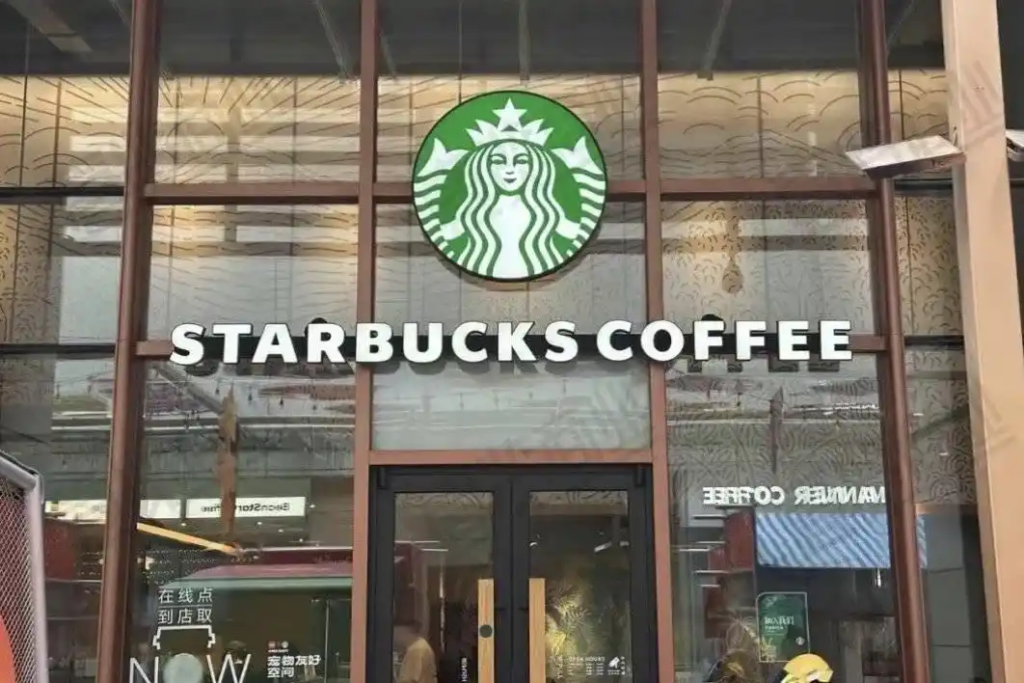
Starbucks(星巴克) has officially signed a joint venture agreement with Boyu Capital to co-operate the coffee chain’s retail business in China. Boyu Capital will hold a 60% stake in the new entity, with Starbucks(星巴克) retaining 40%, and the joint venture will manage approximately 8,000 company-operated Starbucks(星巴克) stores across China. This transaction moves the partnership into the operational phase, with Starbucks(星巴克) remaining the global brand owner and licensor.
3. ChaYanYueSe(茶颜悦色) and Naìsnow(奈雪的茶)
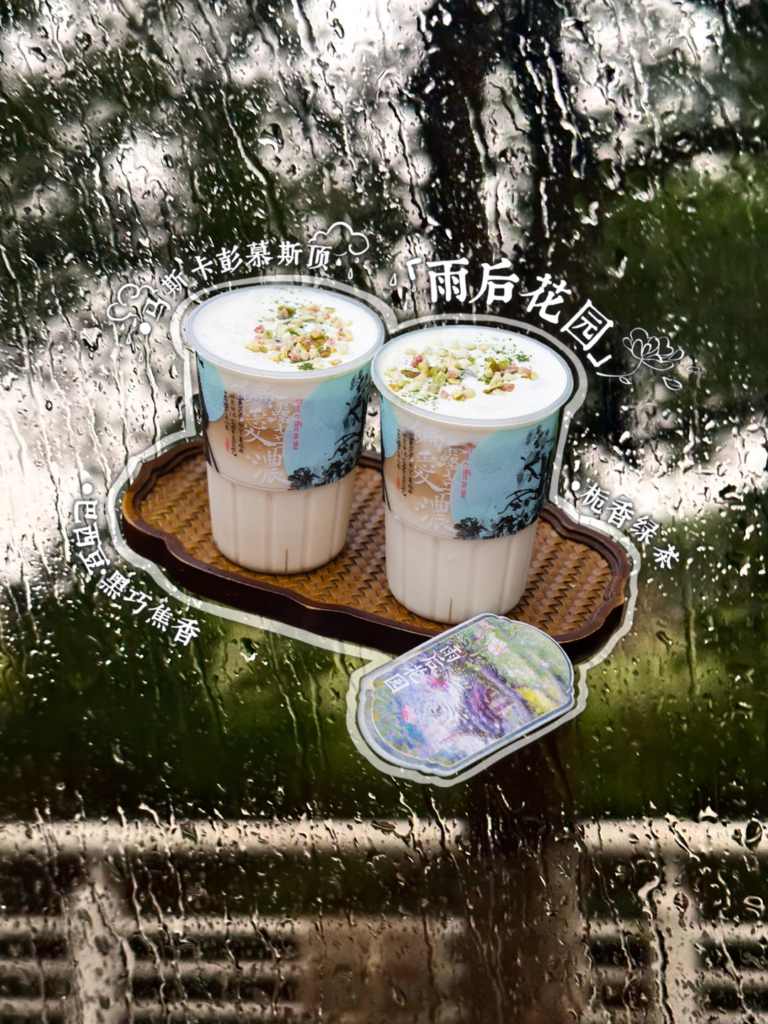
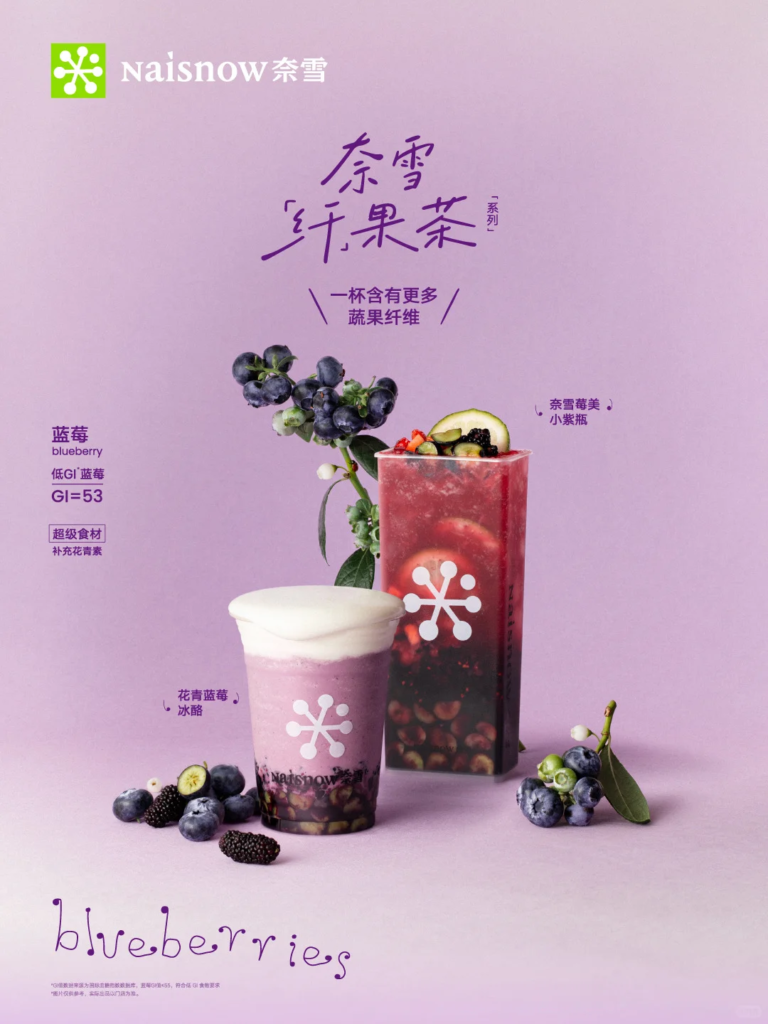
ChaYanYueSe(茶颜悦色) launched a “Rainy Garden” Jasmine Mascarpone Mousse Latte, which combines dark chocolate Brazilian beans with jasmine green tea and a mascarpone mousse top, finished with matcha powder and dried fig sprinkles. Meanwhile, Naìsnow(奈雪的茶) introduced two blueberry and mulberry-based beverages: the “Naixue Meimei Little Purple Bottle” and “Blueberry Blueberry Cheese Latte.” Both brands continue to drive consumer interest through differentiated ingredient combinations and texture-focused formulations.
4. TianLaLa(甜啦啦)
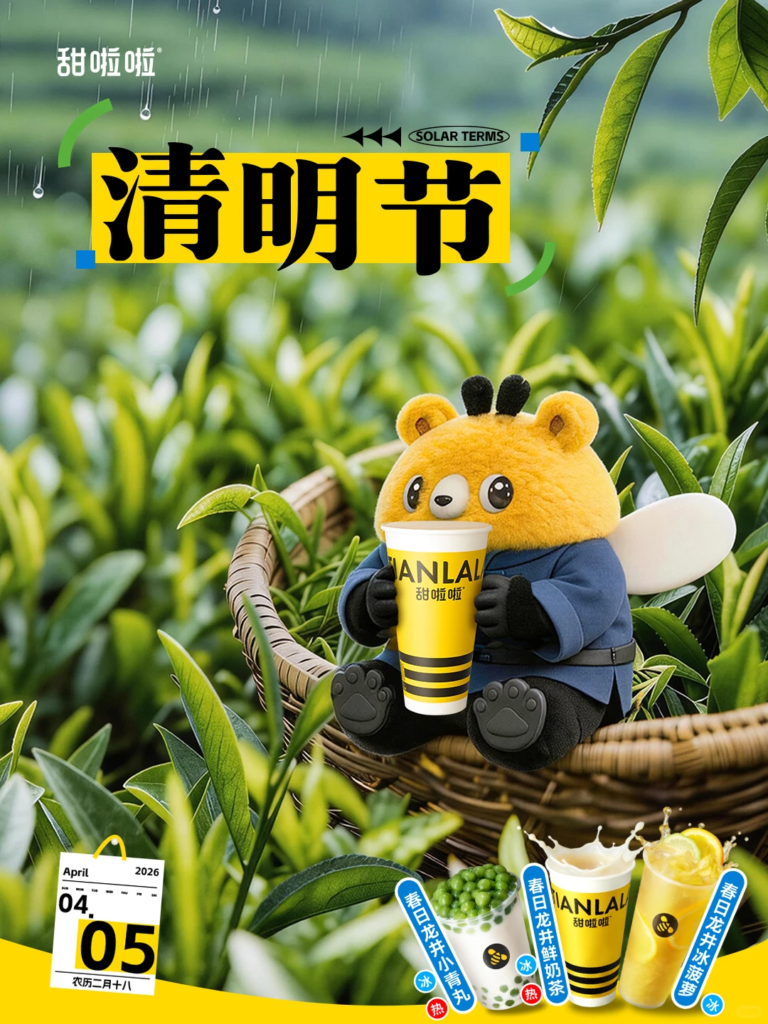
TianLaLa(甜啦啦) released its “Spring Dragon Well” series, featuring three new products: Spring Dragon Well Fresh Milk Tea, Spring Dragon Well Small Green Ball, and Spring Dragon Well Ice Pineapple. The series uses Longjing #43 tea leaves paired with milk, red bean-filled chewy balls, and pineapple fruit pieces. This launch demonstrates the ongoing trend of using premium, region-specific tea bases (like Dragon Well) in accessible, value-oriented beverage formats.
5. Manner Coffee
Manner Coffee announced via its mobile ordering app a price adjustment, effective April 7, 2026, raising the price of its single-origin espresso (SOE) coffee by CNY 5 per cup. This price increase for premium bean offerings comes as some competitors move in the opposite direction, highlighting divergent strategies in the specialty coffee segment regarding value perception and raw material sourcing.
6. Dongfang Molan(东方墨兰) and Molly Tea(茉莉奶白)
Dongfang Molan(东方墨兰) launched a co-branding campaign with Tomato Pocket, introducing two tomato-themed drinks (“Tomato Theory” and “Tomato Salt Theory”) along with felt coasters and incense cards as branded merchandise. Separately, Molly Tea(茉莉奶白) began an Easter-themed rabbit merchandise campaign featuring the “Needle Mango Coconut” drink, supported by themed cups, stickers, and embroidered fridge magnets. These co-branded and seasonal merchandise efforts show how brands are leveraging non-beverage items to drive engagement and repeat purchases.
7. Coca-Cola
Coca-Cola announced an expanded investment in the South African market, committing ZAR 17.6 billion (approximately CNY 71.6 billion) by 2030 to increase production capacity and optimize distribution networks. The funds will be deployed in coordination with two local authorized bottling partners to accelerate innovation. While this investment is focused on Africa, it signals Coca-Cola’s broader strategy of directing significant capital into high-growth emerging markets to reinforce its manufacturing and logistics footprint.
