
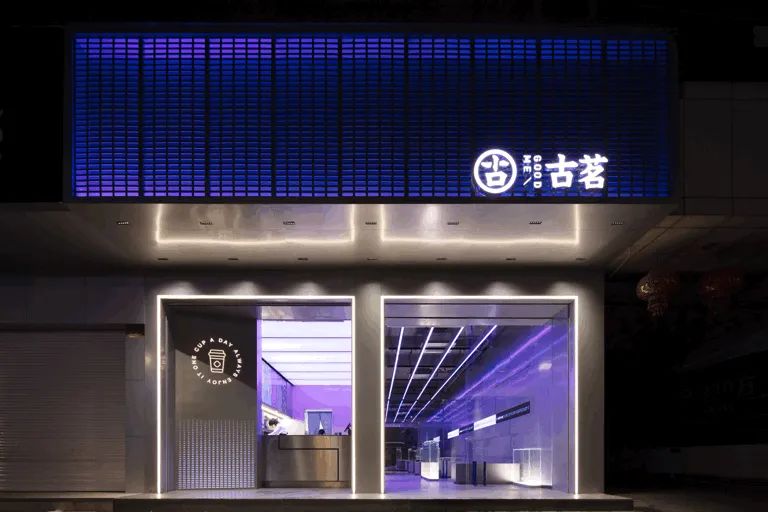
1. [Goodme (古茗) Strategic Expansion into Nanjing]
Goodme officially confirmed its strategic entry into the Nanjing market on April 16, with plans to debut its first wave of stores in the second half of 2026. This deliberate move highlights the brand’s commitment to “Supply Chain Density,” ensuring logistics efficiency and localized support are perfected before a full-scale regional rollout. By targeting high-traffic urban clusters, Goodme effectively bridges its East China dominance with new high-growth zones while maintaining product integrity.
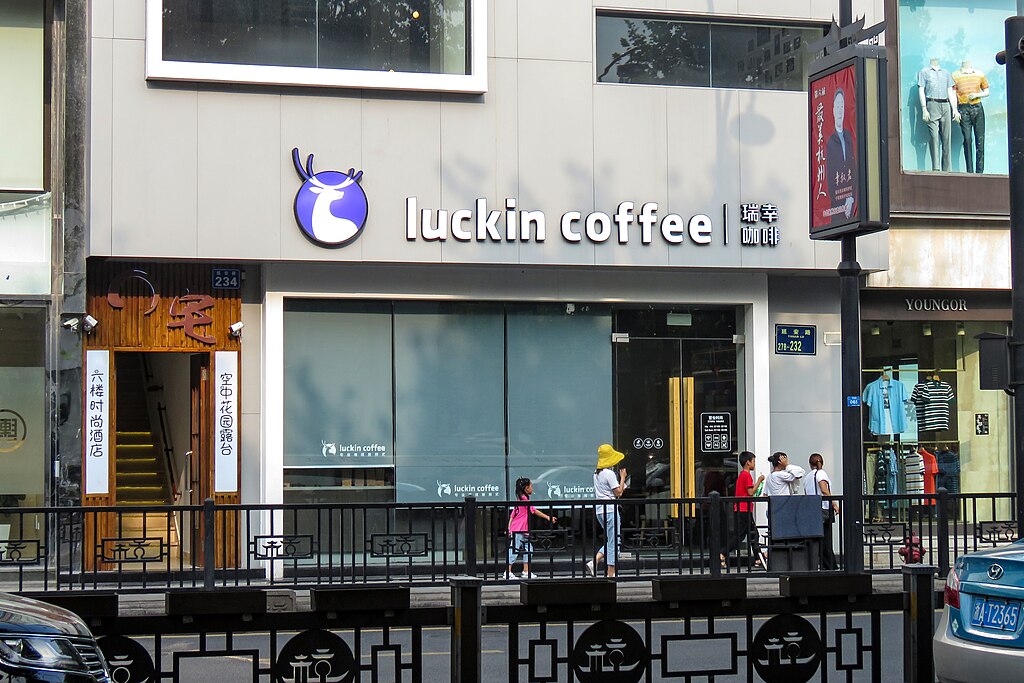
2. [Luckin Coffee (瑞幸咖啡) Scaling NYC Operations]
Luckin Coffee continued its aggressive U.S. pilot phase by opening its 10th location in Manhattan, New York City, on April 15. The brand’s growing footprint in NYC is no longer just a “test” but a localized operational scale, proving the viability of “Efficient Caffeine” as a global consumer trend. By replicating its high-speed, digital-first fulfillment model in a high-rent environment like Manhattan, Luckin is successfully challenging traditional “Third Place” coffee models with speed and value.
3. [Sweet Pipi (甜心皮皮) Targeting Central Asian Markets]
The CEO of Sweet Pipi announced the brand’s entry into the Central Asian market on April 16, aiming for 2,000 overseas outlets by 2026. Central Asia is emerging as a critical “Blue Ocean” for Chinese beverage brands, offering a young demographic and increasing cultural alignment via trade corridors. This expansion leverages the region’s growing demand for “New Chinese Tea” aesthetics, allowing brands to find high ROI opportunities in markets where western coffee culture is still developing.
4. [Starbucks China (星巴克中国) Debuts High-Protein PRO Series]
Starbucks China debuted its “High-Protein Latte PRO” series on April 16, featuring 20 grams of native milk protein per serving to target the “active lifestyle” segment. This move reflects the “High-Proteinification” trend in the beverage industry, where consumers are shifting from “Guilt-Free” options to “Value-Add” functional drinks. By diversifying into science-backed nutritional claims, Starbucks is successfully capturing the “Health-as-Utility” demographic and justifying its premium positioning.
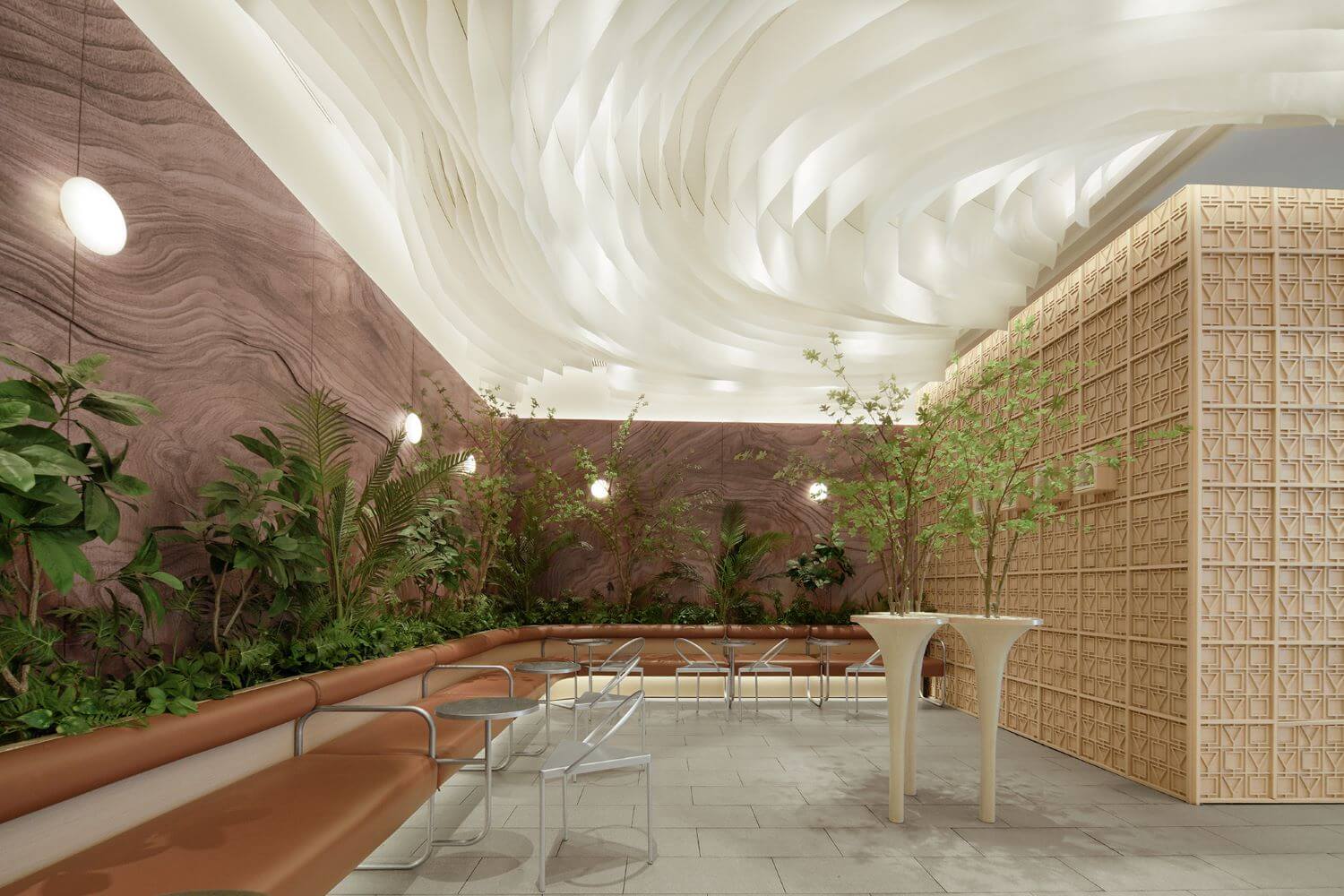
5. [Algebraist Coffee (代数学家) Launches Flagship ‘House’ in Hangzhou]
Algebraist Coffee opened its new “House” concept flagship store in Hangzhou’s Ziyang District on April 16, emphasizing a premium, neighborhood-centric atmosphere with minimalist architectural design. While much of the industry pivots to smaller kiosks, Algebraist is doubling down on “Space Premium” to deepen its competitive moat in Tier-1 cities. The House concept reinforces premium positioning and fosters community loyalty, serving as a strategic counter-move to the prevailing price wars.
6. [Lelecha (乐乐茶) Optimizing Urban Footprint with Pro Models]
Lelecha officially closed its prominent Wudaokou outlet in Beijing on April 16 as part of its shift toward high-efficiency, small-format “Lelecha Pro” models. This “Store-Sizing Revolution” aims to improve store-level profitability and agility by moving away from legacy large-scale stores. This restructuring allows the brand to penetrate diverse commercial scenarios with lower overhead and faster break-even cycles, ensuring long-term sustainability in intense urban markets.
7. [Industry Safety Spotlight: Multi-Ton Counterfeit Coffee Seizure]
Vietaneously authorities reported a major enforcement action on April 16, seizing 4.1 tons of counterfeit coffee products produced with soy-based fillers and chemical flavorings. For HORECA managers, this case highlights the “Trust Deficit” inherent in low-cost supply chains and the critical need for stricter traceability protocols. Implementing rigorous origin verification and 3rd-party testing is no longer optional but a necessary safeguard for brand reputation in a vulnerable global market.
