
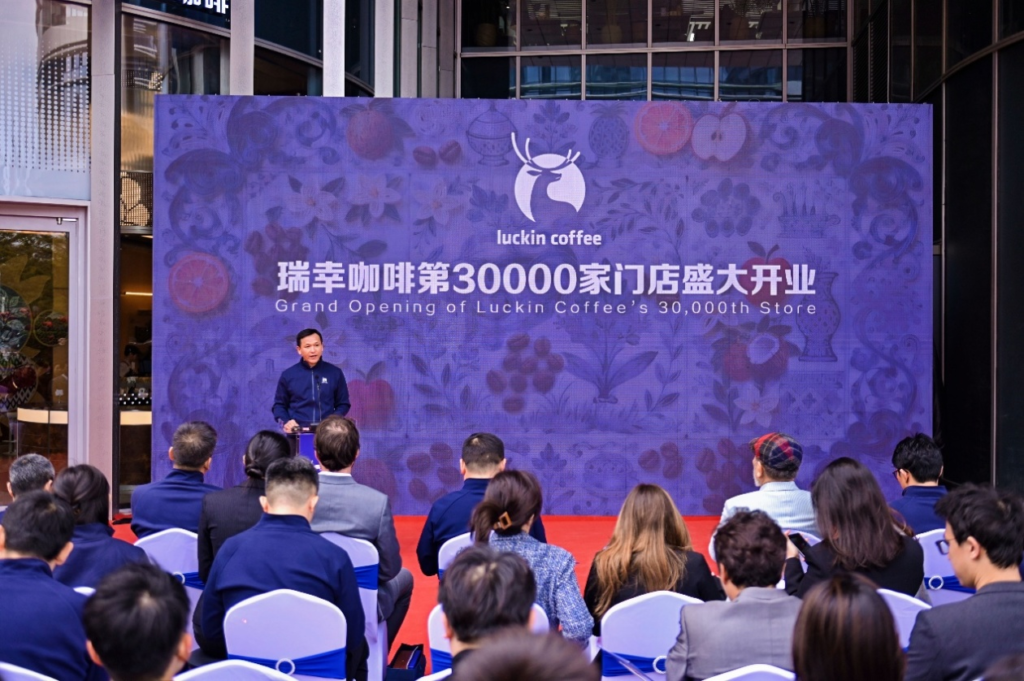
If you run a café, tea shop, or any beverage business, you probably saw the news: Luckin Coffee just opened its 30,000th store.
You might think, “That’s a corporate milestone. Doesn’t affect me.” But here’s the thing—it absolutely does. Whether you compete with Luckin directly or not, their playbook is reshaping customer expectations, supplier relationships, and what “normal” looks like in our industry.
Let’s cut through the corporate PR and look at what actually matters for small and medium beverage business owners.

The 30,000th Store Itself Tells Us Something Important
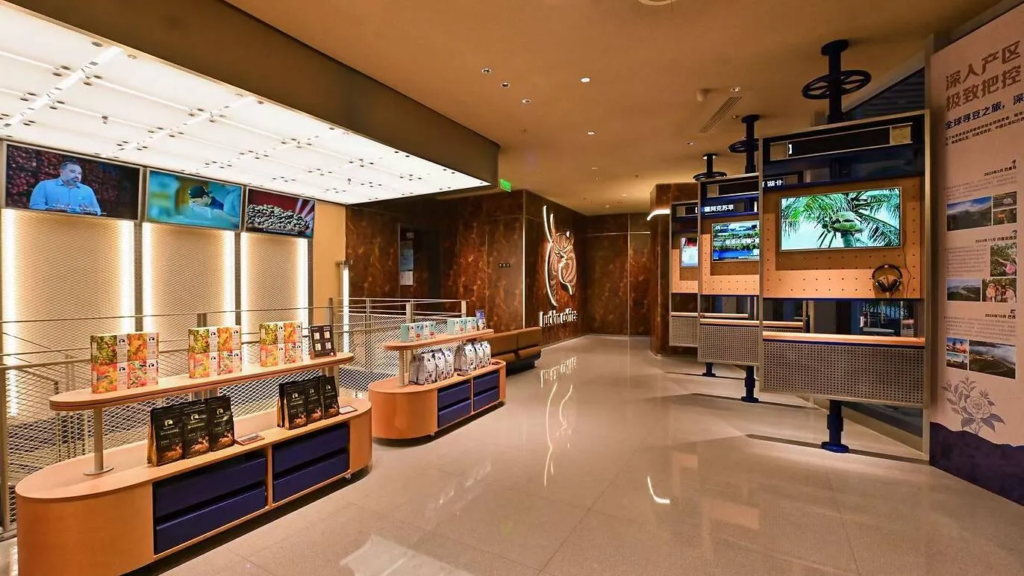
First, the new store in Shenzhen isn’t their typical grab-and-go location. It’s 420 square meters, has semi-automatic machines (instead of full auto), and offers pour-over coffee and store-specific drinks.
Why should you care? Because Luckin is signaling that even the king of efficiency sees value in experience. They’re adding what they couldn’t do at 20,000 stores—space to linger, things to taste, reasons to stay.
For smaller operators, this confirms what you already know: the purely transactional coffee model has limits. Experience still matters. And if Luckin is adding it now, it’s because their data says customers want it.
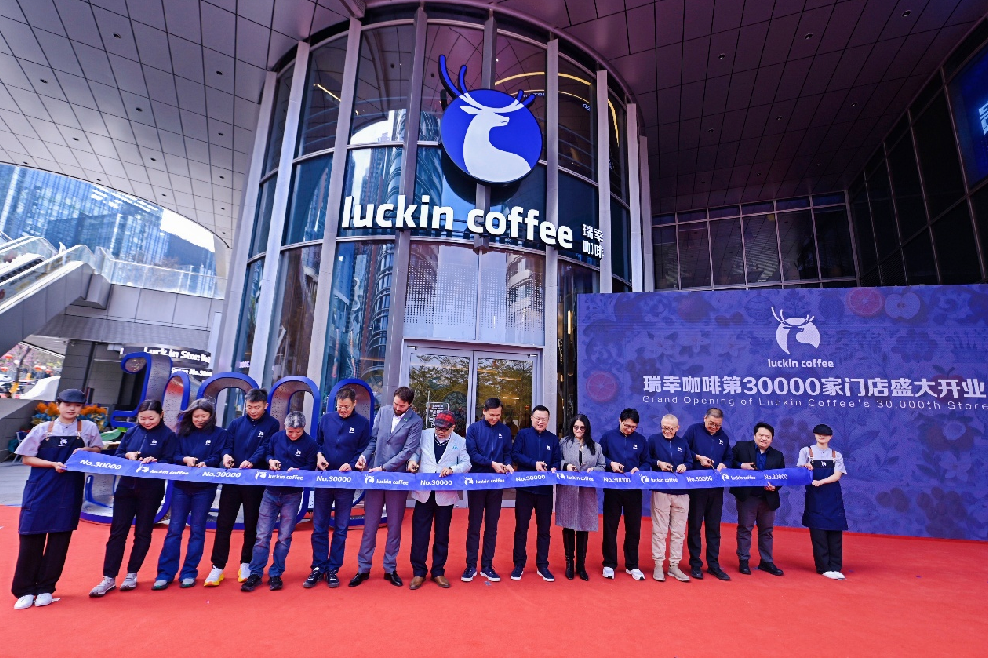
How They Actually Got to 30,000 Stores
Let’s look under the hood. Luckin added nearly 8,000 stores in 2025 alone. That’s 20+ per day. How?
First, their store format is ruthless. Most Luckin locations need 1-2 staff. No seating. No prime real estate. Just efficient throughput. This isn’t new, but the scale is: they proved you can build a national chain on pickup-only economics.
Second, their system runs the business. An AI forecasts how many cups each store will sell tomorrow, orders supplies automatically, and schedules staff. The store manager executes; the computer decides. This is why they handled 20 million cups on a single day last August without collapsing.
Third, they split the model. Big cities get company-owned stores. Smaller cities and counties get partner-operated stores. Partners take the local risk; Luckin provides the brand and system. Today, over 10,000 stores are partner-run, and that channel is growing faster than corporate stores.
Fourth, they own the supply chain. They buy so much coffee that suppliers compete for their business. They roast in four factories across China. They have dedicated jasmine farms in Guangxi and coconut sources in Indonesia. This is why they can sell at 9.9 yuan and still make money—their cost of goods keeps dropping as scale grows.

What This Means for Your Business
On pricing: The 9.9 yuan promotion isn’t going away. Luckin built customer expectations around it. If you’re in a market where Luckin operates, your customers compare your prices to theirs. You don’t have to match them, but you need a clear answer to “why pay more?”
On competition: Luckin now covers 94% of China’s provinces and over 300 cities. If you’re in any decent-sized town, they’re probably nearby or coming soon. The era of “no competition in my area” is ending.
On customer habits: Luckin has turned coffee from an occasional treat into a daily habit for millions. That’s actually good news—more people drinking coffee means more potential customers for everyone. The challenge is converting them from Luckin drinkers to your customers.
On efficiency: Their logistics cost is 4.2% of revenue. Global average is 8%. That’s not magic—it’s system design. For small operators, the lesson isn’t “build a logistics empire.” It’s “find your own efficiency advantages.” Maybe that’s local sourcing, maybe it’s simpler menu, maybe it’s better scheduling. But you can’t afford to ignore efficiency.

Photograph: Courtesy Luckin Coffee
What Small Operators Can Do (That Luckin Can’t)
Luckin’s size is their strength, but it’s also their weakness. Here’s where you can compete:
Agility. Luckin launches 10+ new drinks per month. That’s impressive, but they’re betting on mass appeal. You can rotate small batches, test local flavors, and adapt faster than a 30,000-store chain.
Personal connection. Luckin serves 112 million customers monthly. They can’t know any of them. You can know your regulars by name, remember their orders, and build real relationships. That still matters.
Hyper-local relevance. Luckin’s menu works nationwide. You can tailor yours to your specific neighborhood—whatever that takes.
Premium experience. The Shenzhen flagship shows Luckin recognizes this gap. But one flagship doesn’t change 29,999 other stores. Your entire space can be the experience they’re trying to add.
Photograph: Courtesy Luckin Coffee
The Bottom Line
Luckin’s 30,000th store is a milestone for Chinese coffee. But for small operators, it’s a reminder: the game has changed. The era of easy local coffee dominance is over.
The good news? More people drink coffee now than ever before. The market is growing. Luckin built that, and we all benefit.
The challenge is capturing your share. That means understanding what Luckin does well (efficiency, convenience, price) and doing what they can’t (local connection, flexibility, genuine hospitality).
They have scale. You have freedom. Use it.