
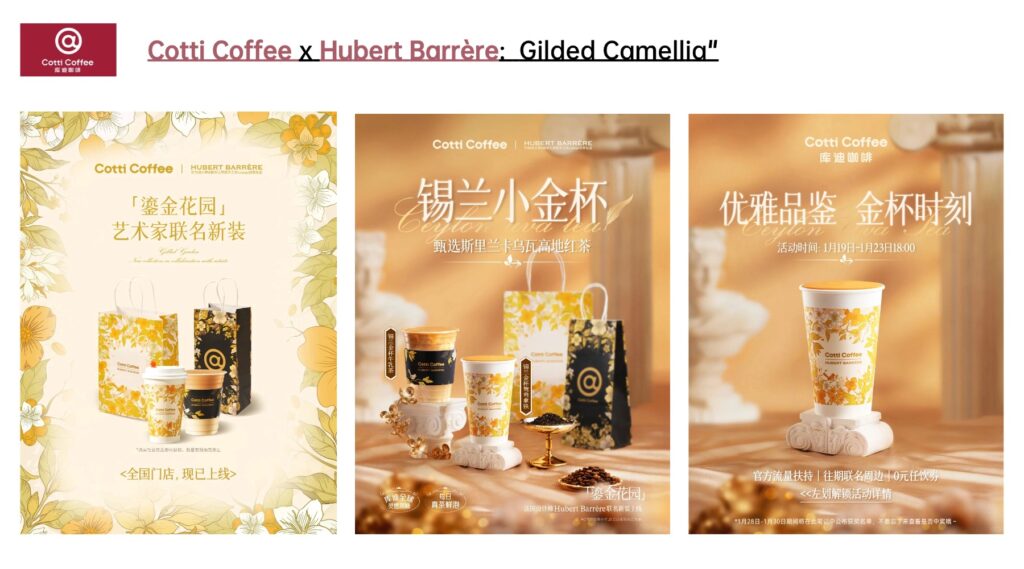
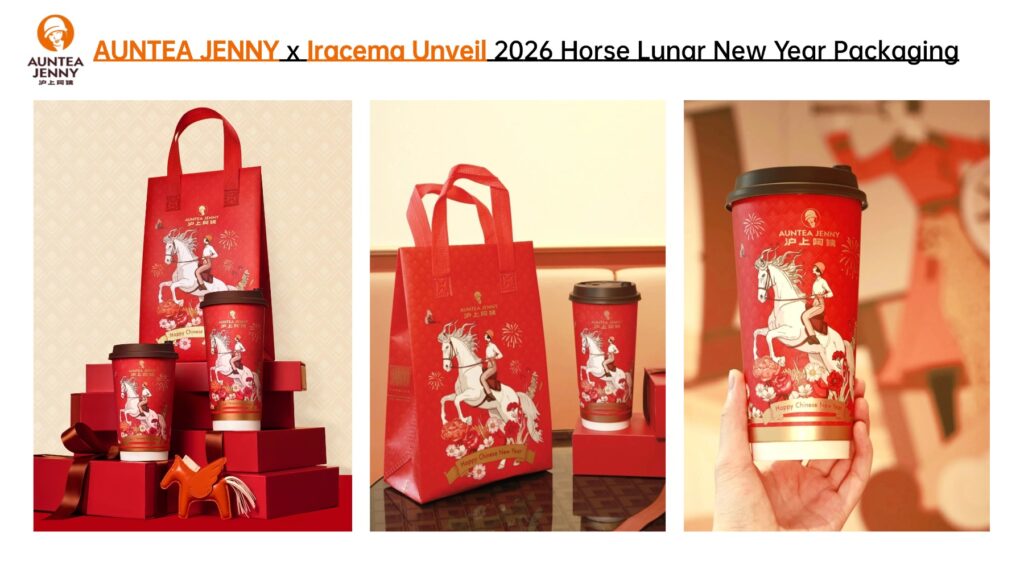
When Cotti Coffee steps into “Chanel-inspired elegance,” Auntea Jenny embraces “Hermès orange,” and YH.Tang declares, “For horse lovers, it’s all about that orange,” the beverage industry in 2026 appears to have entered an era of “everyday haute couture” overnight.
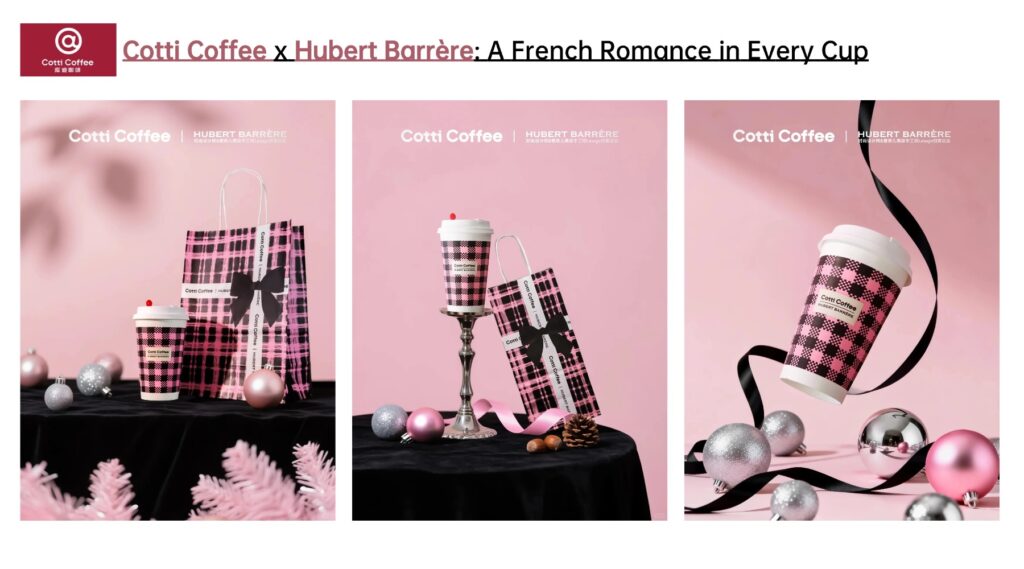
Consumers are thrilled: “This isn’t just milk tea or coffee—it’s liquid art!”
Yet, what drives this “visual feast” is not solely the allure of luxury brands. Within the confined space of a cup, every innovation in color, pattern, material, and shape quietly tells the brand’s story and conveys the drinker’s emotions.
1. Cup Is Not Just a Container—It’s a Vehicle for Emotion
In the past, the quality of a beverage was largely determined by its taste. Today, young people care more about whether it “looks good, is photogenic, and worth sharing.” When packaging design carries social appeal, a cup is no longer just a vessel for liquid—it becomes a “fashion accessory” for expressing personality and attitude.
Whether it’s the vibrant warmth of Hermès orange or the elegant classicism of Chanel-inspired designs, what resonates with consumers is their desire for “beauty” and a “sense of ceremony.” An affordable drink, with an outstanding “skin,” can deliver that “affordable sense of uniqueness.”
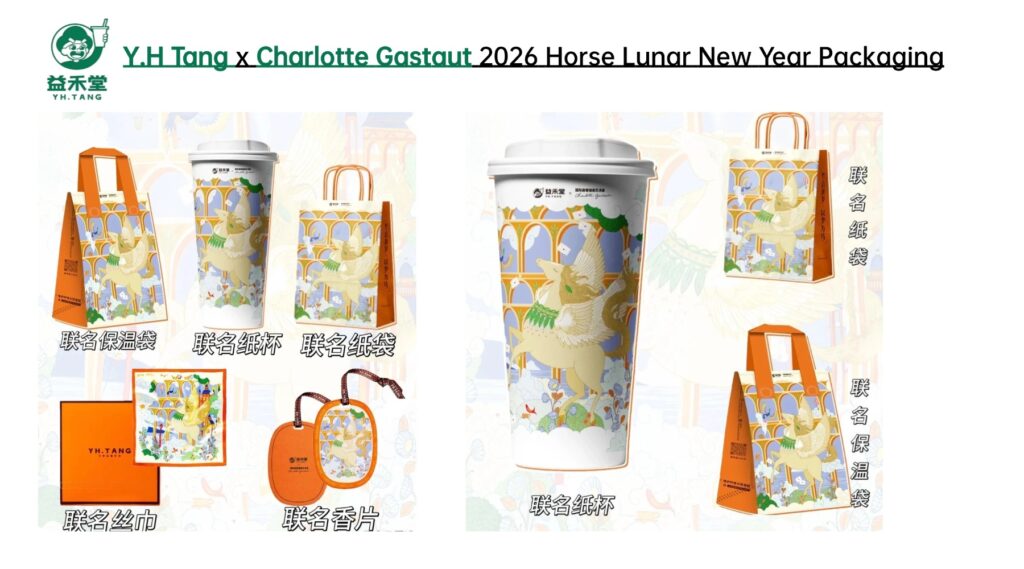
2. Established brands Create Buzz Through Collaborations; Independent chains Break Through with Creativity
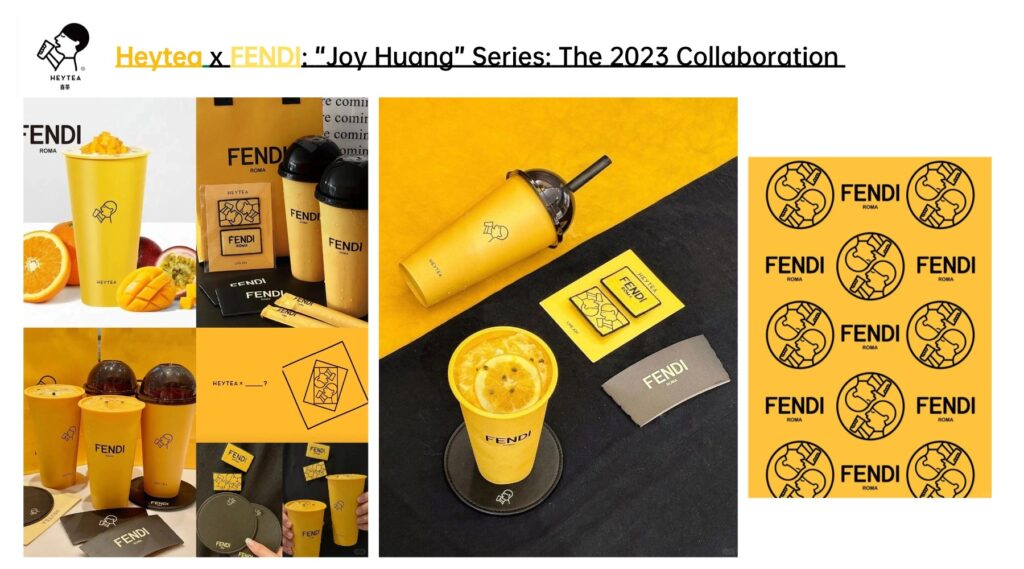
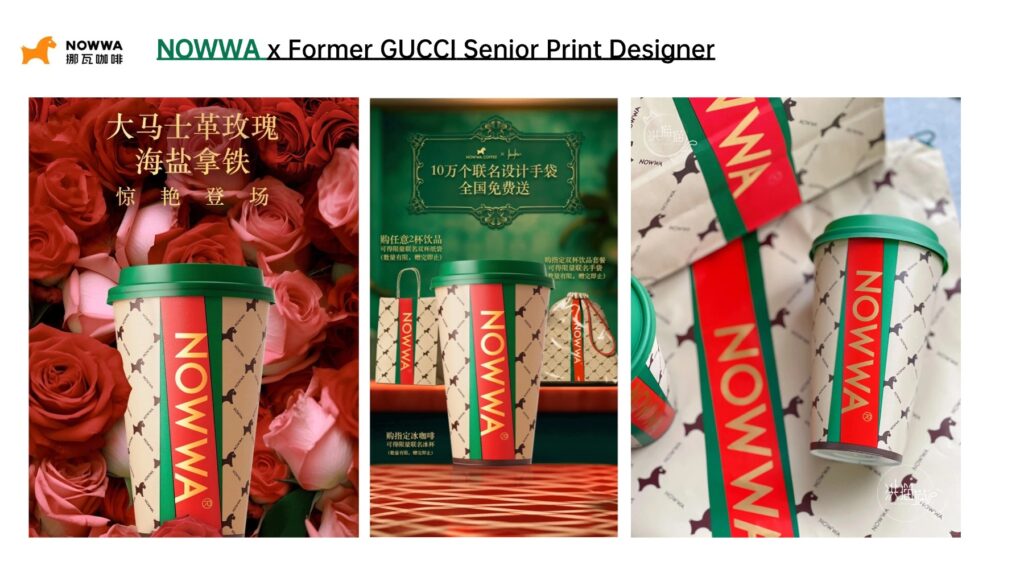
For leading brands like Heytea and Cudi, collaborating with luxury brands or designers is undoubtedly an effective way to quickly elevate quality and generate buzz. Fendi yellow, Gucci prints, Chanel patterns—these visual symbols come with built-in appeal and easily capture attention.
However, not every brand has the resources or budget to partner with luxury labels. For many small and medium-sized chains and regional brands, “creativity” itself is a more sustainable way to stand out.
A catchy slogan, a unique cup shape, a set of seasonal illustrations, or a surprisingly tactile material—these seemingly minor design innovations can also create strong brand recognition and emotional impact. For example, a brand focused on “healing” might adopt soft muted colors and rounded cup shapes, while a brand embracing “traditional Chinese aesthetics” could convey Eastern beauty through ink-wash textures and calligraphic fonts
3.Small Chains, Big Impact: Design-Driven Examples in Action
While large brands leverage collaborations, many emerging and independent chains are proving that great design doesn’t require a luxury label. Through cohesive visual storytelling, they build memorable brand worlds that resonate deeply with their audience.
Jishi Ju Tea — One Icon, One Identity
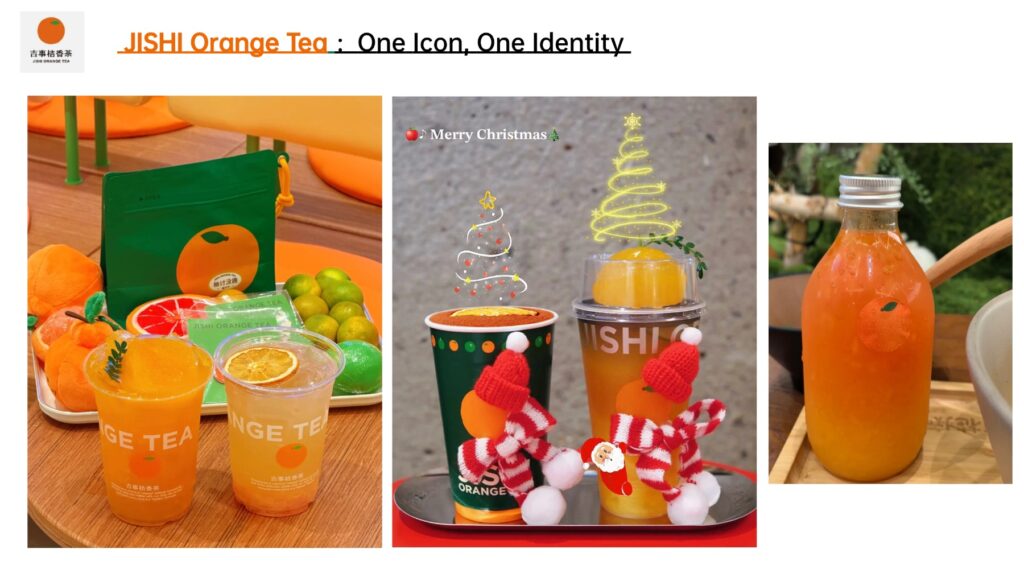
This citrus-focused tea brand has built its entire visual system around a single, vibrant graphic: a bright, cheerful orange. From takeaway bags and paper cups to reusable tumblers, the orange motif is consistently and boldly placed at the center of every touchpoint. This design approach is simple yet highly effective—creating instant recognition, conveying freshness and joy, and making the brand stand out in a crowded market with clarity and confidence.
BONJOUR — Less Is More, Detail Is Everything
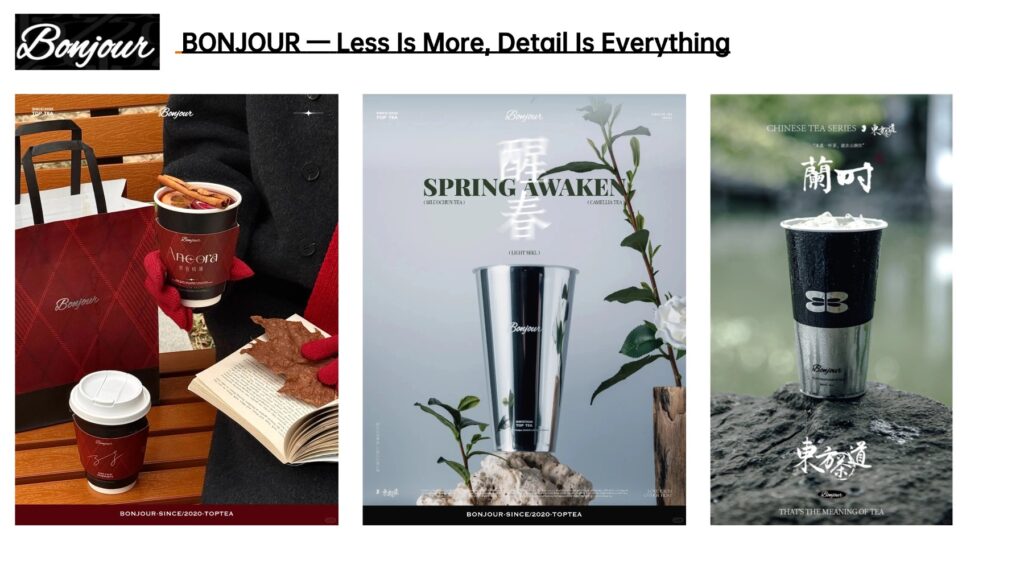
Positioned around minimalist French-inspired aesthetics, BONJOUR speaks through subtlety and refinement. Its year-end “Ancora · 炽色绮境” (Blazing Color Dreamscape) series embodies this philosophy. While maintaining a clean and restrained base, the collection introduces warmth and texture through plaid patterns, rich seasonal colors, and thoughtful material choices. Each piece—from the translucent “warm circle” card to the textured plaid cup—feels like a portable piece of art, extending the brand’s elegant and intentional vibe into the customer’s daily rituals.
4.Design as Communication, Aesthetics as Traffic
Today, consumers no longer passively receive information—they actively participate in spreading it. A cup with “remix potential” can easily spark spontaneous sharing on social media: paper bags folded into mini Christmas trees, cup sleeves transformed into phone charms, or even packaging repurposed into tiny handbags.
This logic of “design as conversation, sharing as traffic” means that every cup is a potential social touchpoint. Through design, brands can guide consumers to become co-creators and distributors of content, extending the value of a drink from “consumption” to “interaction.”
5. Returning to Original: Using Design to Tell the Brand’s Story
Whether it’s a “blockbuster” luxury collaboration or an independent “small but beautiful” creation, great cup design should ultimately reflect the brand’s core identity. It’s not just a “skin”—it’s the “face,” the silent dialogue between the brand and the consumer.
The beverage industry is a business that constantly craves “newness,” but novelty doesn’t come solely from the fame of a collaboration partner. It comes from the sincerity and ingenuity of the design itself.
As a packaging partner, this opens a meaningful path toward deeper value creation — we aspire to be more than just a container provider; we strive to become collaborators in brand storytelling and enablers of visual emotion. Through material innovation, process craftsmanship, and design co-creation, we are committed to walking alongside brands of every size, helping articulate your unique visual language and grow with you—cup by cup, story by story.
Conclusion
The world of beverages is shifting from a “competition of taste” to a “competition of emotion.” The value of a drink increasingly depends on whether it can deliver an experience beyond flavor—whether it looks good, is photogenic, brings joy, and is worth sharing.
And all of this often begins the moment you hold the cup.
Design turns everyday consumption into a ritual.
The cup makes emotional value visible.
Regardless of a brand’s size, with sensitivity to design and the courage to express, every drink can be a unique piece of “everyday haute couture.”