
Is the world’s favorite comfort flavor about to become the first confirmed “dessert trend” of the year?
If you’ve walked past a Heytea or Starbucks anywhere in Asia recently, you might have noticed a distinct shift in the air—and it smells a lot like chocolate. In a move that feels both nostalgic and forward-thinking, major beverage brands are simultaneously flooding the market with cocoa-based drinks. From “Tiramisu” tea toppings to “Bitter Chocolate” series, chocolate is staging a major comeback .
According to WeChat Index data, keywords like “chocolate,” “thick cocoa,” and “dark chocolate” have seen daily spikes of over 100% in recent weeks. But this isn’t just a winter fling. Here’s why chocolate is heating up—and why it might just stick around.
The Chocolate Onslaught: What’s on the Menu?
The current wave of chocolate drinks isn’t one-dimensional. Brands are splitting their strategies into three distinct lanes :
1. The “Dessert-ification” Lane
- Heytea launched the “Tiramisu·Yinghong,” using 98% high-concentration cocoa powder paired with cheese foam to mimic the visual and textural experience of a tiramisu cloud.
- Moyogurt released a “Tiramisu Cocoa Yogurt Bowl,” blending cocoa powder, dark chocolate, and tiramisu sauce with cold-brewed yogurt.
- KOI Thé introduced “Apple Cinnamon Namelaka,” combining namelaka chocolate mousse with apple cinnamon milk tea.

2. The “Ultra-Indulgent” Lane
- Heytea’s “Bitter Chocolate” series focuses on high-intensity cocoa flavor.
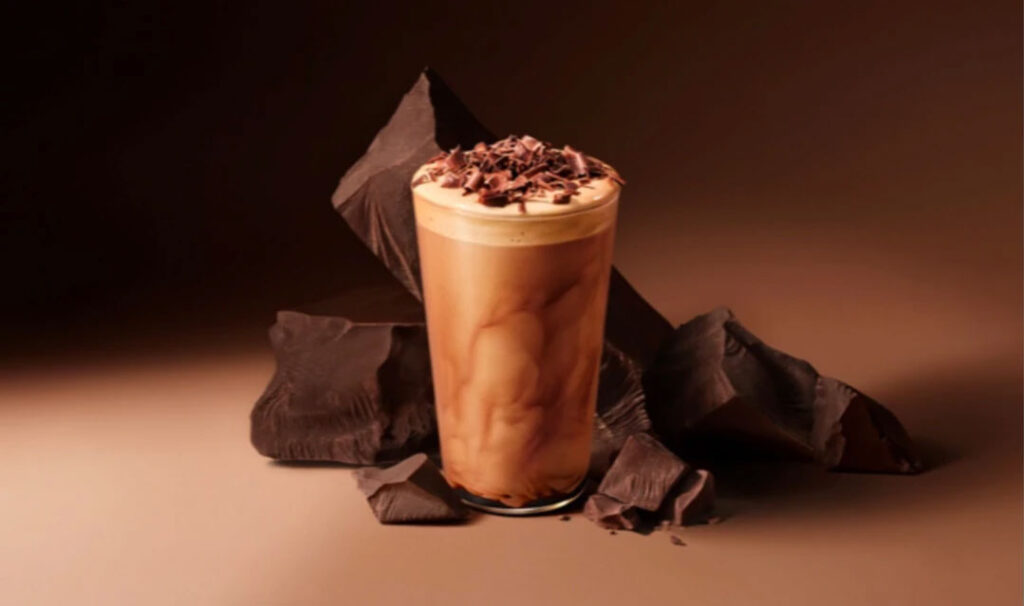
- Starbucks is leaning into its “Belgian Dark Chocolate” line, complete with chocolate shavings.
- ChaPanda launched “Dark Chocolate Cocoa Boba Milk,” mixing Singaporean cocoa powder with black tea and dark chocolate sauce.
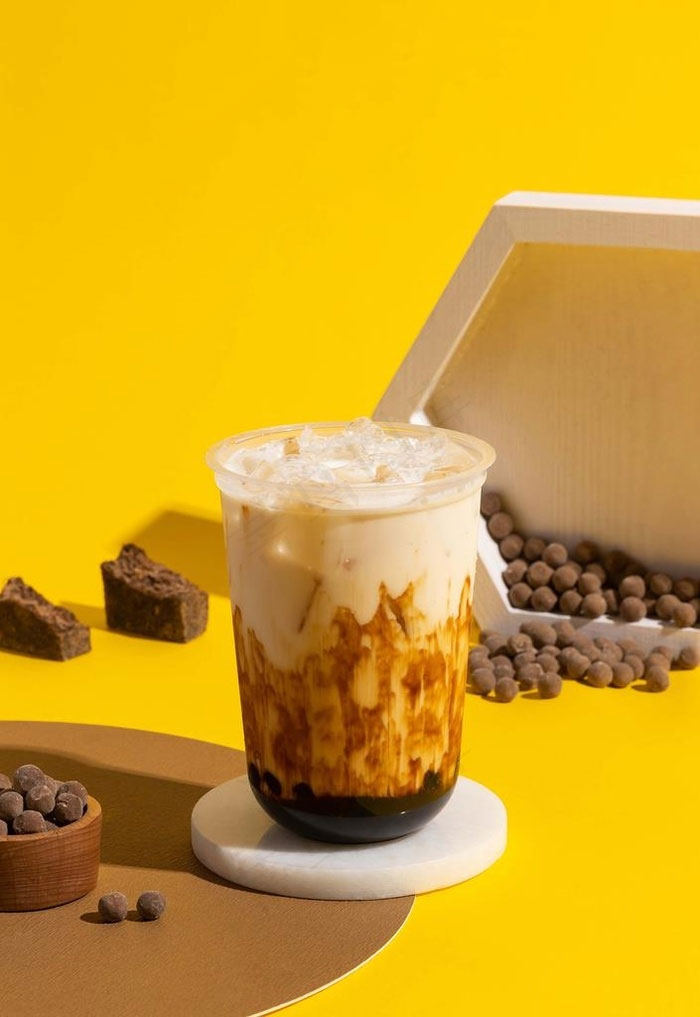
- CoCo brought back the classic “Pearl Chocolate Milk,” adding brown sugar boba for texture.
3. The “Niche Variety” Lane
- Starbucks also introduced a “Ruby Chocolate” series, leveraging the naturally pink, berry-like notes of ruby cocoa beans.
- Manner Coffee is offering a “Strawberry White Chocolate Latte,” appealing to those with a sweeter tooth.
Four Reasons Chocolate Is Dominating the Menu
1. Raw Material Prices Are Stabilizing
After years of volatility, cocoa prices have cooled, making it accessible for mid-tier chains to experiment. According to Global Growth Insights, the global cocoa and chocolate market was valued at $61.96 billion in 2025 and is projected to reach $95.31 billion by 2035, growing at a CAGR of 4.4% . This stability allows for higher-volume purchasing and more aggressive R&D .
2. Supply Chains Have Matured
Cocoa powder, sauces, and compound ingredients are now more stable and cost-effective than ever. This maturity means brands can use chocolate as a base or a structural element without worrying about supply shocks. As one R&D insider noted, “Cocoa is currently out of stock” among suppliers—a clear sign of procurement frenzy .
3. The Return of “Rich” and “Visual” Profiles
After years of “light” and “healthy” trends, consumers are once again drawn to rich, decadent, and visually striking drinks. The success of recent chocolate launches has relied heavily on topings—cocoa dust, chocolate shavings, and intricate foam designs—proving that we are all, once again, “appearance association” members .
4. Seasonal and Emotional Drivers
Chocolate is inherently tied to comfort, reward, and indulgence. In colder months, consumer acceptance of high-calorie, satisfying products spikes. But this isn’t just a winter game. As consumption rises across tea, coffee, bakery, and ice cream categories, chocolate is proving to be a cross-seasonal, cross-category player .

Can Chocolate Go the Distance?
Despite the buzz, some experts urge caution. “Chocolate is so universal, so familiar, that it can struggle to generate sustained ‘wow’ factor,” says one developer. In its single form, the lifecycle of a chocolate product can be short .
That’s why brands like Heytea and Starbucks are extending chocolate’s relevance through structural innovation—layering it with crisps, brittle, lava fillings, and cheese foams to create differentiated experiences .
Ultimately, chocolate may be the perfect “transition flavor”—a bridge between basic utility and full-fledged dessert culture. For brands, the real upgrade isn’t about whether to launch chocolate, but whether they can use it to evolve their product capabilities .
The Bottom Line
Chocolate is enjoying a renaissance. Whether it’s a $5 milk tea in Shanghai or a premium single-origin bar in Berlin, the world is craving cocoa. And for beverage brands, the question is no longer “should we add chocolate?” but “how far can we take it?”