
1. Cross-Brand Collaborations Surge
The month of February 2026 recorded a significant wave of co-branded marketing activities, with 31 major ready-to-drink tea brands executing a total of 46 campaigns. Among these, Auntea Jenny(沪上阿姨) and LINLEE(林里) were the most active, each engaging in six collaborative events, closely followed by YH.Tang(益禾堂) and NO YEYE NO TEA(爷爷不泡茶) with five each.
This high frequency of cross-brand promotions underscores a competitive strategy focused on generating buzz and driving foot traffic through novelty and shared audiences. For HORECA operators, this trend highlights the importance of creative marketing to maintain brand relevance and stimulate repeat customer visits in a saturated market.
2. Luckin Coffee(瑞幸咖啡) Achieves Full Coverage in Hong Kong
Luckin Coffee(瑞幸咖啡) has announced that its store count in Hong Kong has surpassed 50 locations, achieving comprehensive coverage across the region’s core administrative districts. The chain has strategically positioned itself in key areas, including central business districts, transportation hubs, tourist landmarks, and residential communities.
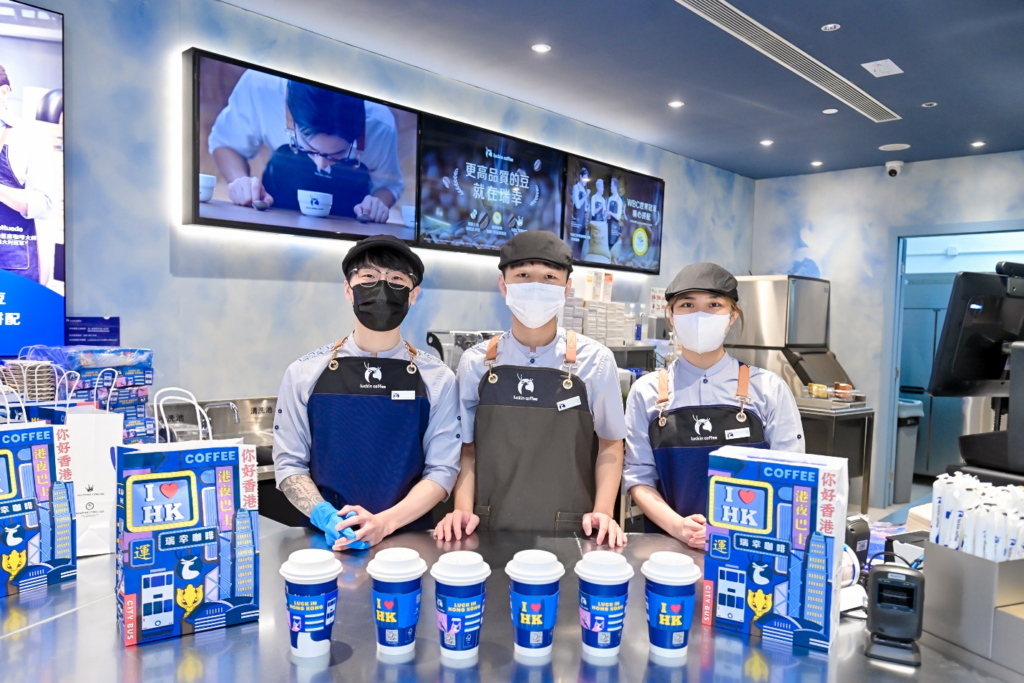
The swift expansion and strategic placement of these stores indicate a strong push to establish market dominance in a key metropolitan area. For industry professionals, this serves as a case study in aggressive yet precise geographical scaling, demonstrating how saturation of prime locations can build a formidable market presence.
3. Seasonal Product Innovation from Mixue(蜜雪冰城) and Happy Sweet Potato
Today, Happy Sweet Potato launched two new strawberry-based beverages: Strawberry Brulee Iced Milk and Strawberry Brulee Pudding, which incorporate ingredients like brulee, pudding, and taro balls. Concurrently, Mixue(蜜雪冰城) has brought back its Blueberry Fruit Tea, which features a jasmine green tea base complemented by coconut jelly and blueberries.
These product launches highlight a continued focus on fruit-forward flavors and textural complexity to appeal to consumer palates. The use of seasonal fruits and popular ingredients like pudding and taro balls reflects the industry’s emphasis on menu innovation as a primary driver for seasonal sales and customer engagement.
4. Branded Merchandise as a Consumer Engagement Tool
Molly Tea(茉莉奶白) has initiated an online campaign for its “Statue of Liberty” plush toy, priced at 39 CNY, with a purchase limit of three per customer. Concurrently, NO YEYE NO TEA(爷爷不泡茶) has launched a spring-themed merchandise campaign in the Guangdong region, offering mirrors across all locations and refrigerator magnets available exclusively at its theme stores.
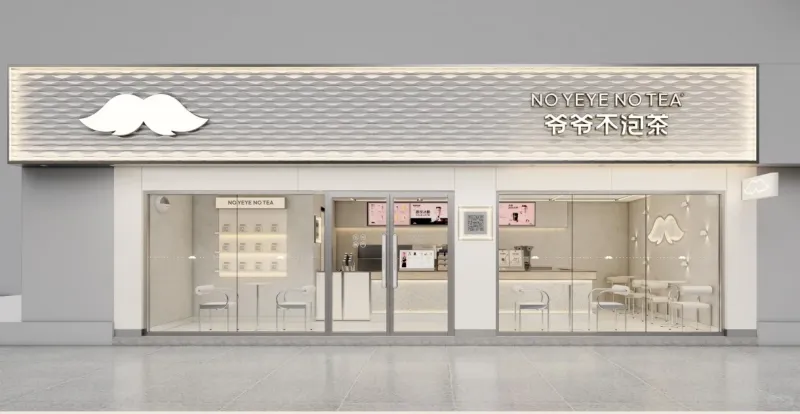
The strategic use of limited-edition merchandise serves as an effective method to drive online traffic and in-store visits. These campaigns demonstrate how brands are leveraging exclusive, collectible items to strengthen customer loyalty and generate additional revenue streams beyond core beverage sales.
5. Rising Coffee Prices in the U.S.
Specialty coffee prices in the United States have seen a notable increase, with a 12-ounce bag rising from approximately 15 USD to between 17 and 18 USD. This price surge is driven by rising raw material costs, a decrease in global coffee production, and increased expenses related to transportation, insurance, and futures speculation compounded by tariff policies.
This upward trend in a major market signals potential global supply chain pressures that could impact coffee pricing worldwide. For HORECA businesses, this highlights the importance of monitoring global commodity markets to anticipate and mitigate potential cost increases in their own operations.
6. Nespresso(奈斯派索) Introduces Coffee Machine Leasing in South Korea
Nespresso(奈斯派索) has announced the launch of a coffee machine leasing service in South Korea, designed to lower the initial financial barrier for consumers. Under this program, machine ownership transfers to the customer after a 36-month contract, which also includes free repair services, regular coffee capsule deliveries, and complimentary shipping.
This move towards a service-based model reflects an evolving approach to customer acquisition and retention in mature markets. By reducing upfront costs, Nespresso is making its premium systems more accessible, a strategy that could influence how equipment and consumable suppliers structure their offerings to the HORECA sector in the future.
