
The first two months of 2026 have brought a flurry of activity across the tea and coffee sectors, revealing key strategic shifts in geographic expansion, channel focus, and brand ownership. From international store growth patterns to major corporate acquisitions and evolving consumer engagement tactics, these developments offer a clear view of the market’s current direction.
1. International Expansion: Southeast Asia and North America Dominate
According to recent statistics, international store openings for freshly made tea brands in January 2026 were overwhelmingly concentrated in Southeast Asia and North America. The Southeast Asian region saw the addition of 37 new stores, accounting for 75.51% of all overseas openings, while North America, primarily the United States, added 11 new locations, representing 22.45%.
This data underscores that Southeast Asia remains the primary testing ground and growth engine for Chinese tea brands venturing abroad, likely due to cultural proximity and established supply chains. Simultaneously, the significant push into the U.S. market indicates that brands are now willing to tackle the complexities of a more mature and competitive Western beverage landscape.
2. Mixue(蜜雪冰城) Dominates Shopping Mall and Campus Channels
An analysis of store locations reveals that shopping malls remain the core focus for freshly made tea brands, with Mixue(蜜雪冰城) leading the category with 2,982 mall locations. Furthermore, Mixue(蜜雪冰城) is the only brand with over a thousand locations in university campus channels, highlighting its strong appeal to the student demographic. In contrast, brands are showing a notably cautious approach to expanding into transportation hubs such as airports and train stations.
3. Blue Bottle(蓝瓶咖啡) Global Stores Acquired from Nestlé
In a significant corporate shift, investment firm CGCapital has reached an agreement with Nestlé to acquire the global retail store operations of Blue Bottle(蓝瓶咖啡) for under USD 400 million. Following the completion of the transaction, Nestlé will retain the rights to Blue Bottle’s(蓝瓶咖啡) retail product business, separating the physical café operations from its consumer packaged goods line.
4. Starbucks(星巴克) Launches Rose-Infused Beverages
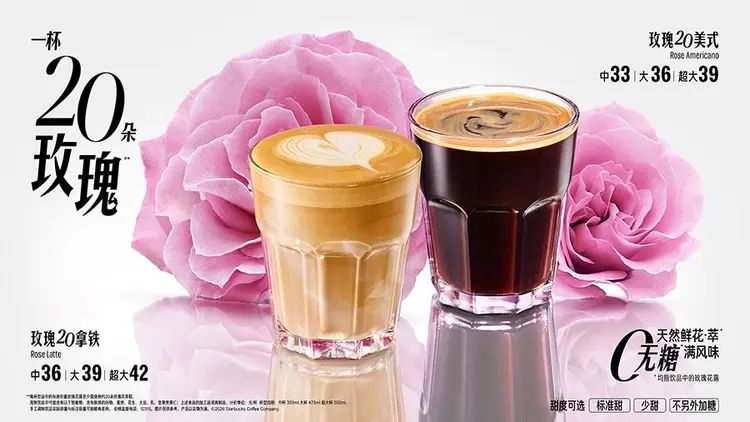
Starbucks(星巴克) introduced two new seasonal beverages yesterday: the “Rose 20 Matcha Latte” and the “Rose 20 Macchiato.” According to the official product description, each drink features a slow-brewed rose essence. The “Rose 20 Matcha Latte” combines this essence with matcha powder and milk, while the “Rose 20 Macchiato” pairs it with espresso and milk.
5. JDE Peet’s Shareholders Approve Acquisition Proposal
JDE Peet’s, the parent company of Peet’s Coffee, has announced that its Extraordinary General Meeting approved all resolutions related to the acquisition proposal from Keurig Dr Pepper. This includes post-acquisition restructuring measures, board member appointments, and amendments to the company’s articles of association. A key condition of the tender offer has also been modified, lowering the acceptance threshold from 95% to 80% of the company’s outstanding shares not already held by the offeror at the deadline.
6. BaoZhuGong(煲珠公) “Cash Prize” Campaign Generates Buzz
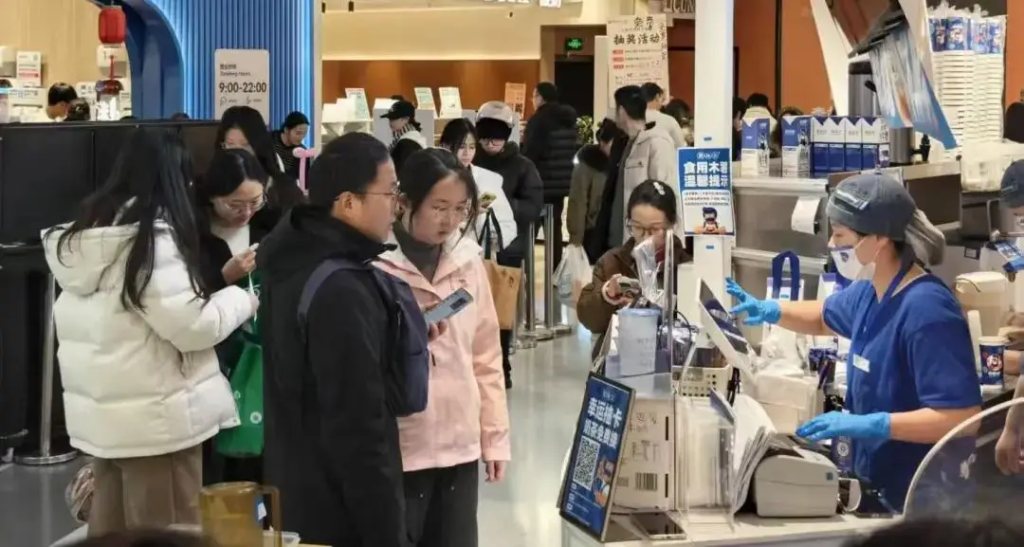
A recent marketing campaign by tapioca pearl milk tea chain BaoZhuGong(煲珠公), offering a share of a one-million-CNY prize pool, has captured significant consumer attention. Reports indicate that 7,936 customers who successfully collected a full set of digital cards each received a CNY 126 cash bonus. The funds were credited directly to user accounts for no-threshold spending in any store, a direct and straightforward approach that has sparked considerable discussion within the industry.
7. Blue Bottle(蓝瓶咖啡) CEO Reaffirms Commitment to Cautious Growth
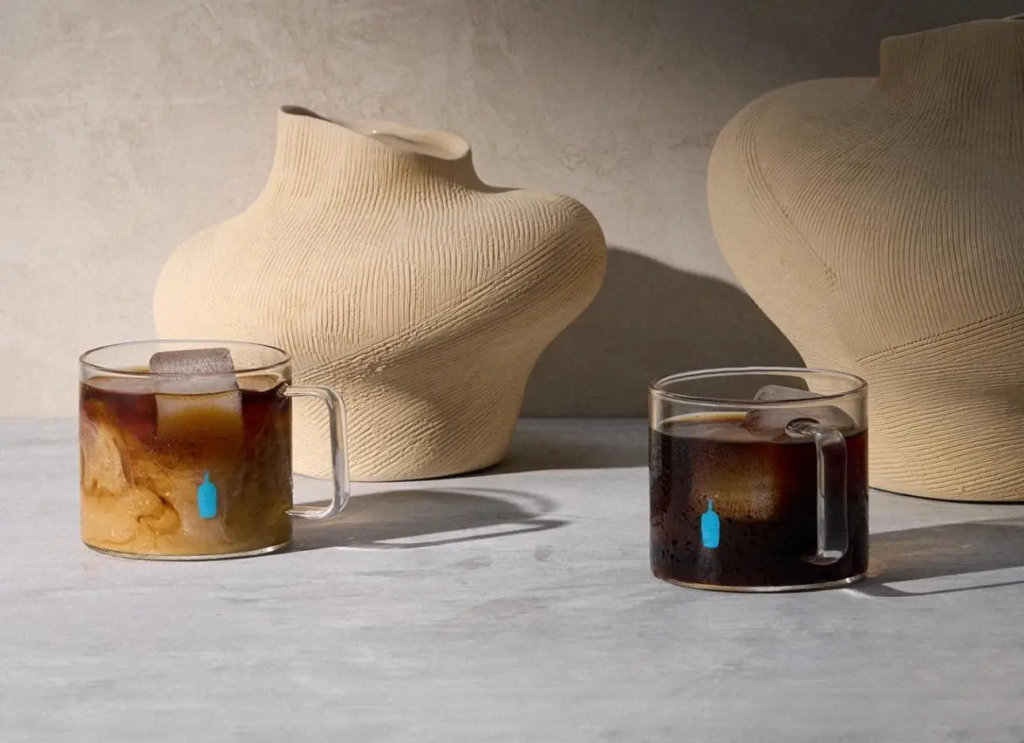
Karl William Strovink, CEO of Blue Bottle(蓝瓶咖啡), recently stated that global café expansion will be a key strategic priority for the company’s future. However, he emphasized that this growth would be executed with a “cautious and planned” approach, signaling a continued commitment to the brand’s premium, experience-focused positioning rather than aggressive, rapid scaling.
8. Lab Tests Reveal Adulteration in Some “Coconut Water” Products
Recent laboratory testing commissioned by a media outlet has raised concerns about product authenticity in the coconut water category. Tests conducted on four popular products, all listing only “coconut water” in their ingredients, revealed the presence of exogenous water and starch-based syrups. Notably, one of the implicated samples was from IF, a leading brand in the segment.
