
A new monthly industry report has launched, providing granular data on the country’s leading tea brands, while major players like Luckin Coffee(瑞幸咖啡) released blockbuster annual earnings. These developments offer a deeper, data-driven view of market dynamics alongside strategic moves in product innovation and partnerships.
Monthly Industry Report Debuts
A specialized beverage research unit has released the inaugural issue of its “China Freshly Made Tea Industry Monthly Report.” The analysis is based on operational data from 31 leading domestic tea brands, reviewing the market landscape for January 2026 across six core modules.
The report’s launch signals a growing demand within the industry for structured, comparative performance data. For professionals, access to such aggregated benchmarks can provide a clearer basis for strategic planning and competitive analysis.
Luckin Coffee(瑞幸咖啡) Reports Strong 2025 Growth
Luckin Coffee(瑞幸咖啡) announced its Q4 and full-year 2025 financial results, revealing full-year total net revenue of CNY 49.29 billion, a 43.0% year-on-year increase. As of year-end, the chain operated 31,048 stores and had accumulated over 450 million transaction customers.
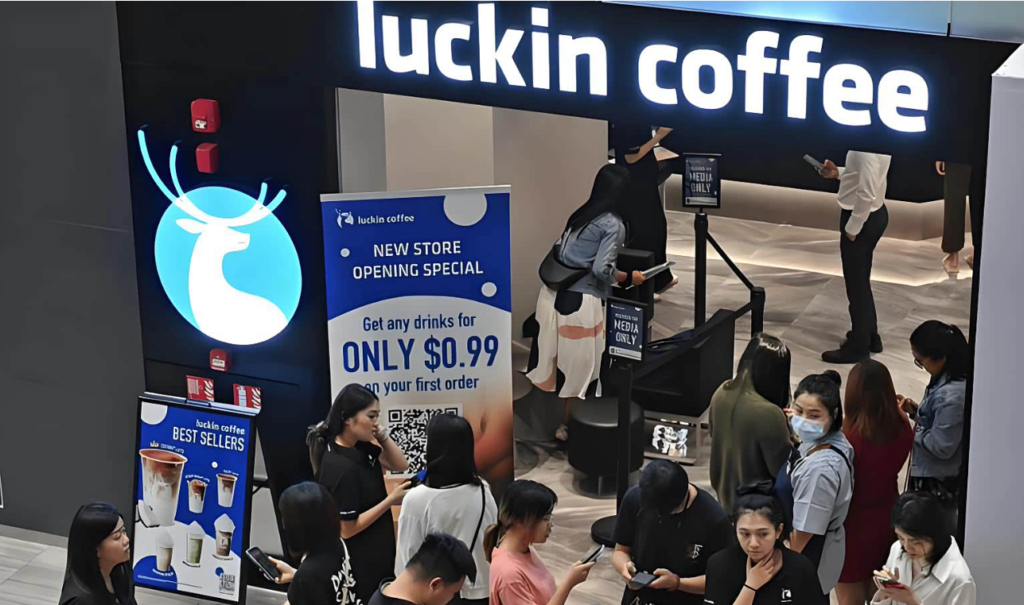
The figures underscore Luckin Coffee(瑞幸咖啡)’s continued expansion and its ability to grow its massive customer base. The substantial revenue and store count reinforce its dominant position in the Chinese coffee market.
Peet’s Coffee(皮爷咖啡) Expands “Cheese Lovers” Series
Peet’s Coffee(皮爷咖啡) announced the third anniversary of its “Cheese Lovers” series by launching three new items: a “Cheese Lovers Strawberry Latte,” a “Cheese Lovers Milk Brick Latte,” and a “Pistachio Cocoa Latte.” The brand also introduced an “Apricot & Yuzu Tonic Americano” and a “Red Bean Matcha Mille Crepe Cake.”
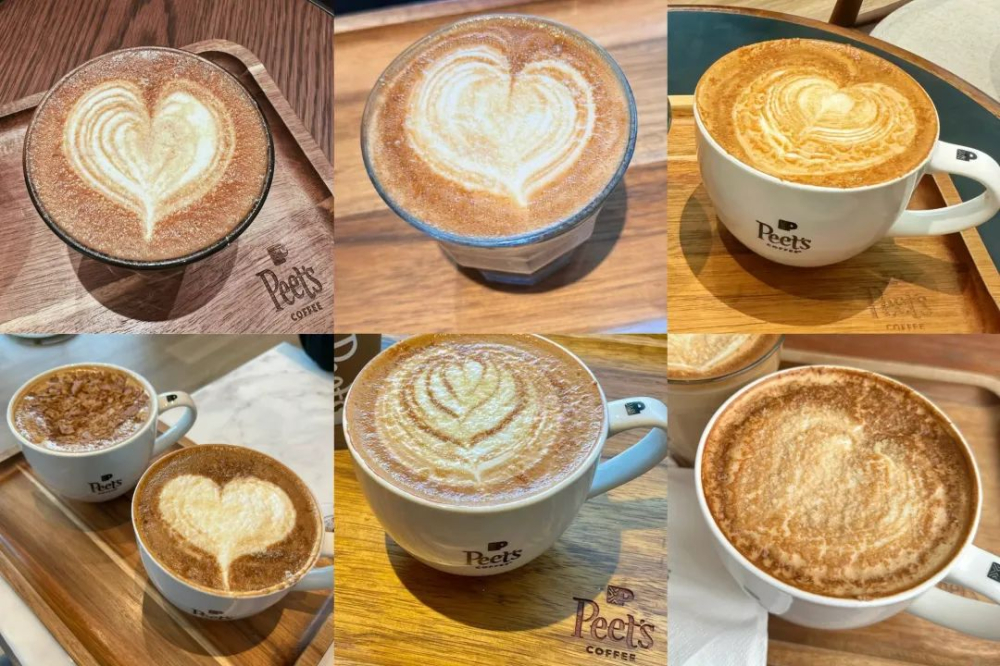
The product drop highlights the enduring popularity of cheese-based coffee combinations in China. By expanding a successful series and adding complementary food items, the brand continues to cater to local taste preferences.
Molly Tea(茉莉奶白) Launches Game Collaboration
Molly Tea(茉莉奶白) announced a cross-city collaboration with the mobile game “Onmyoji,” spanning 18 cities and involving over a thousand stores. The partnership will feature dedicated themed locations and five limited-edition beverages, presented by popular characters from the game.
This collaboration represents a significant marketing push to connect with the gaming demographic. Tying new drinks directly to popular intellectual property is a strategy aimed at driving foot traffic and generating social media buzz.
Nayuki(奈雪的茶) Introduces Fruit Coffees
Nayuki(奈雪的茶) added two fruit-infused coffee options to its menu: a “Super C Orange Americano” and a “Super Refreshing Hand-Shaken Lemon Coffee.” The products combine fresh juice with coffee, targeting consumers seeking a refreshing and revitalizing drink for the post-holiday work season.
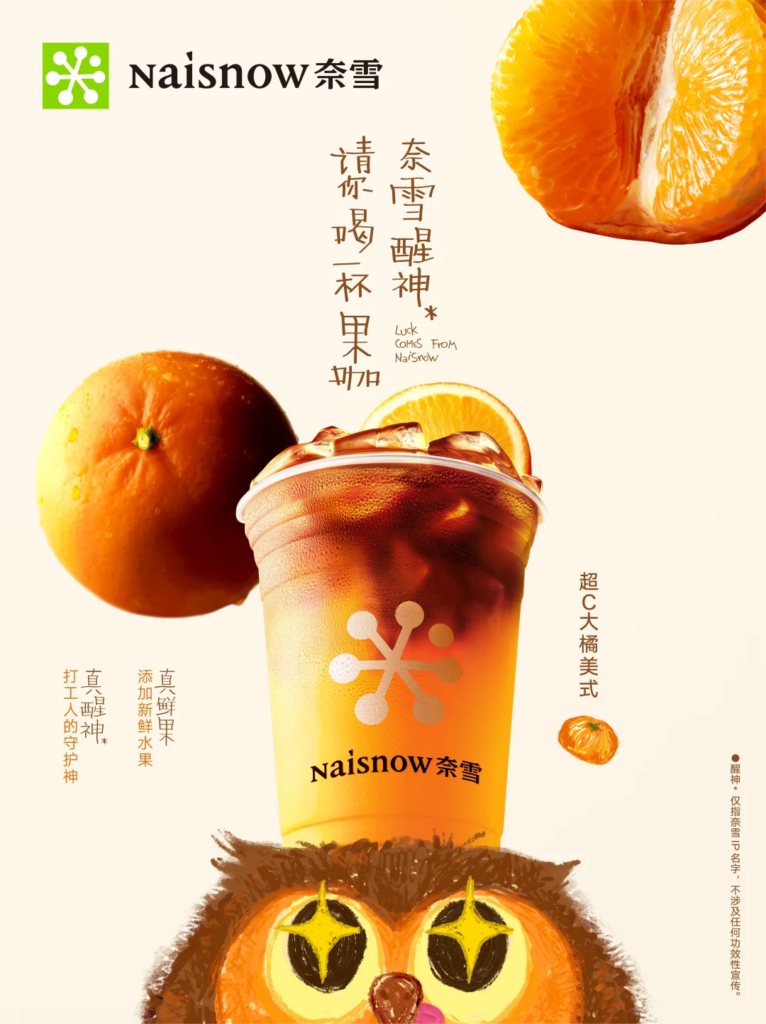
The move continues the trend of blending tea and coffee shop categories, specifically fruit tea and coffee. This positions the products as functional beverages for a specific need state—morning or afternoon pick-me-ups—rather than purely indulgent treats.
LINLEE(林里) Partners with Aromatherapy Brand
LINLEE(林里) teamed up with essential oil brand AFU to launch a “Pink Guava Series.” The line includes a “Pink Guava Iced Lemon Tea” and a “Guava Grape Milk,” featuring guava as the primary ingredient, paired with a jasmine tea base.
The collaboration with a lifestyle brand outside the food sector is a novel approach to product promotion. Guava continues to appear as a seasonal or featured ingredient, reflecting ongoing exploration of tropical fruit flavors.
Nestlé Revises Performance System
Nestlé has introduced a new performance evaluation system where top performers will receive significantly higher bonuses, while those failing to meet standards will receive minimal or no rewards. Previously, nearly all employees typically received at least 80% of their bonus, even if they only met minimum requirements.
This shift towards a more differentiated reward structure reflects a broader corporate trend of linking compensation more directly to individual performance. The change could have implications for talent retention and motivation within the industry.
